Microsoft and OpenAI Redraw the Rules of Their AI Partnership
Microsoft and OpenAI have amended their partnership, giving both companies more room to maneuver while preserving Azure's central role. The deal clarifies cloud access, IP licensing, revenue sharing, and the companies' long-term AI infrastructure plans.
China Orders Meta to Unwind Its Manus AI Acquisition
China has ordered Meta to reverse its acquisition of Manus, a Singapore-based AI startup founded by Chinese engineers. The decision could unsettle Chinese AI founders seeking foreign capital and deepen the political risk around cross-border AI deals.
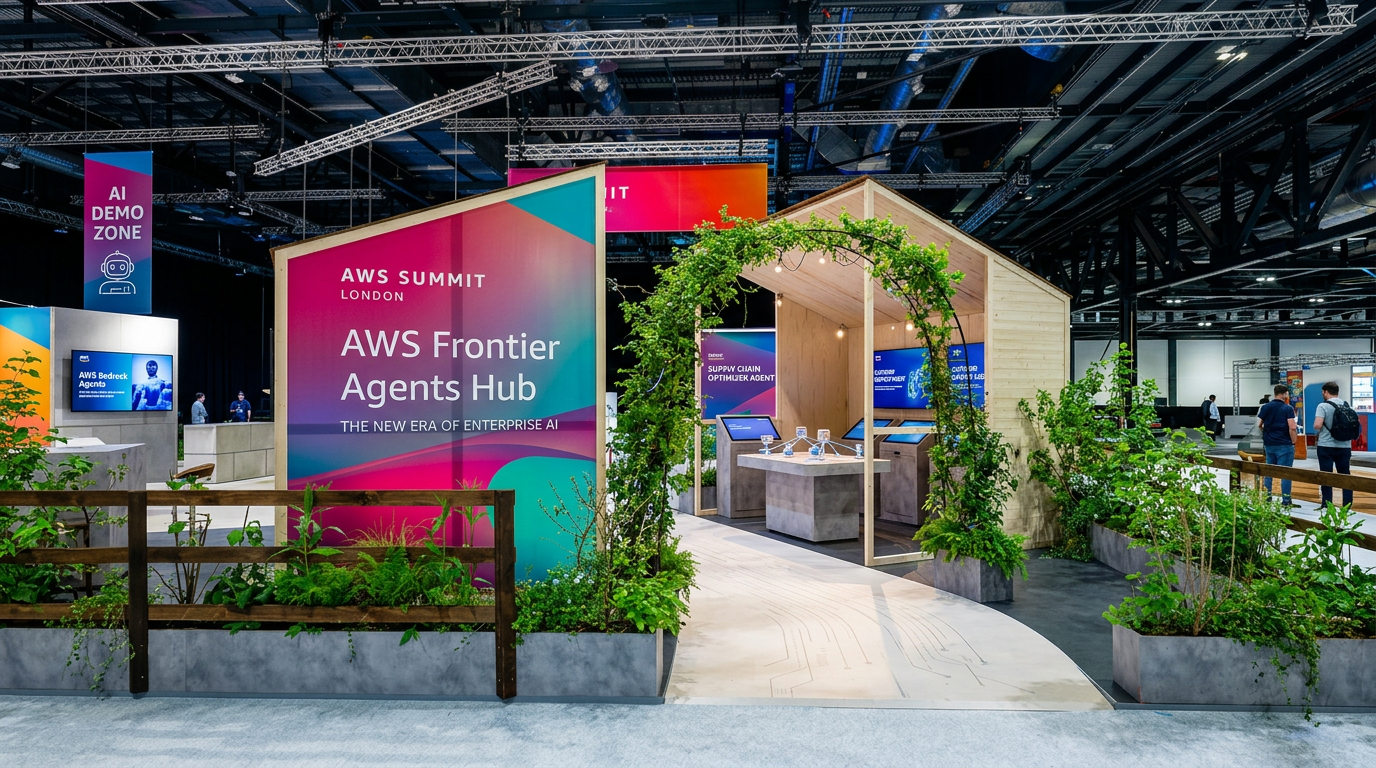
AWS Makes Frontier Agents Its Next Big Enterprise AI Bet
AWS is pitching frontier agents as the next phase of enterprise AI: systems that can work autonomously, at scale, and across long-running goals. The company is using Kiro, DevOps agents, security agents, and sustainability data projects to show where the model could land first.
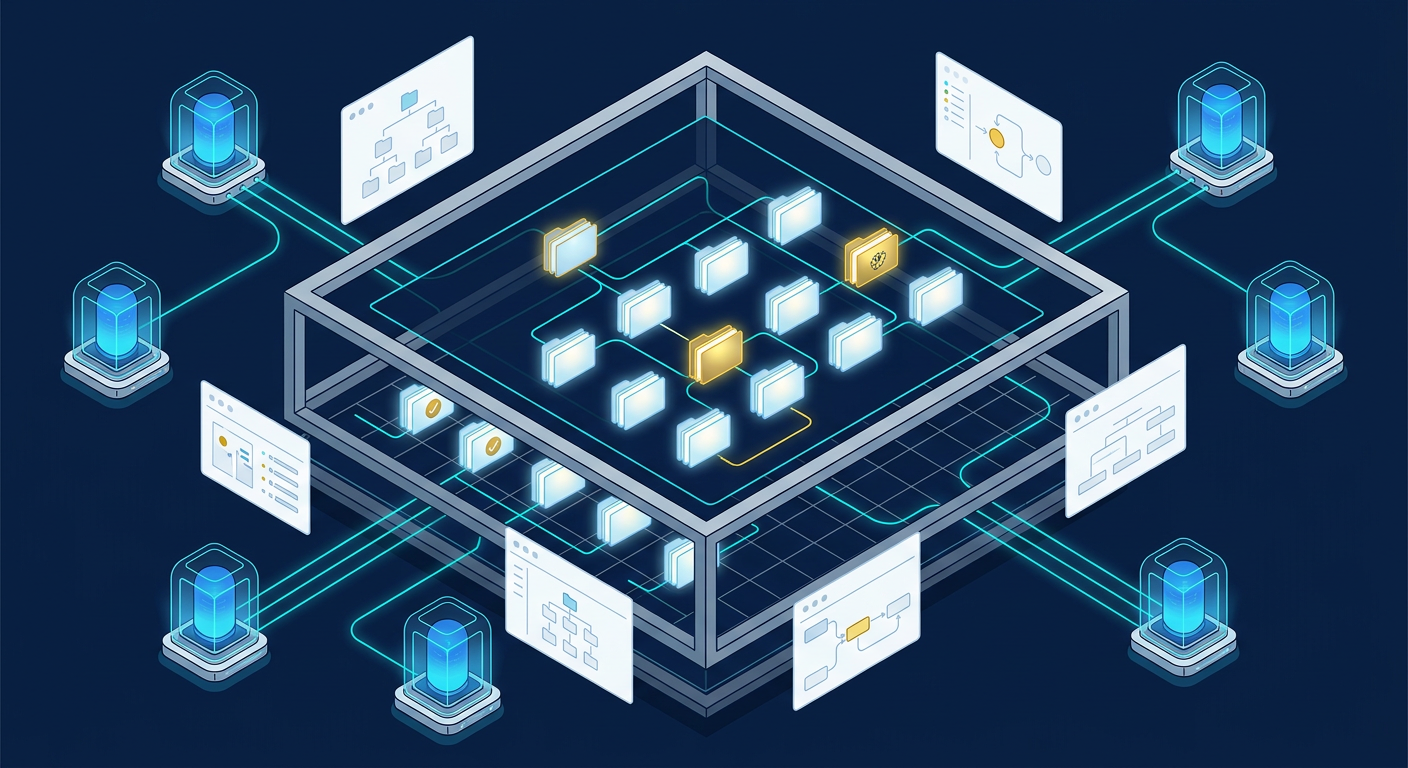
Anthropic Gives Claude Managed Agents Built-In Memory for Long-Running Enterprise Work
Anthropic has launched built-in memory for Claude Managed Agents in public beta, giving agents a filesystem-based way to learn across sessions. The update targets enterprise teams that want agentic systems to retain lessons, reduce repeated mistakes, and stay auditable in production.
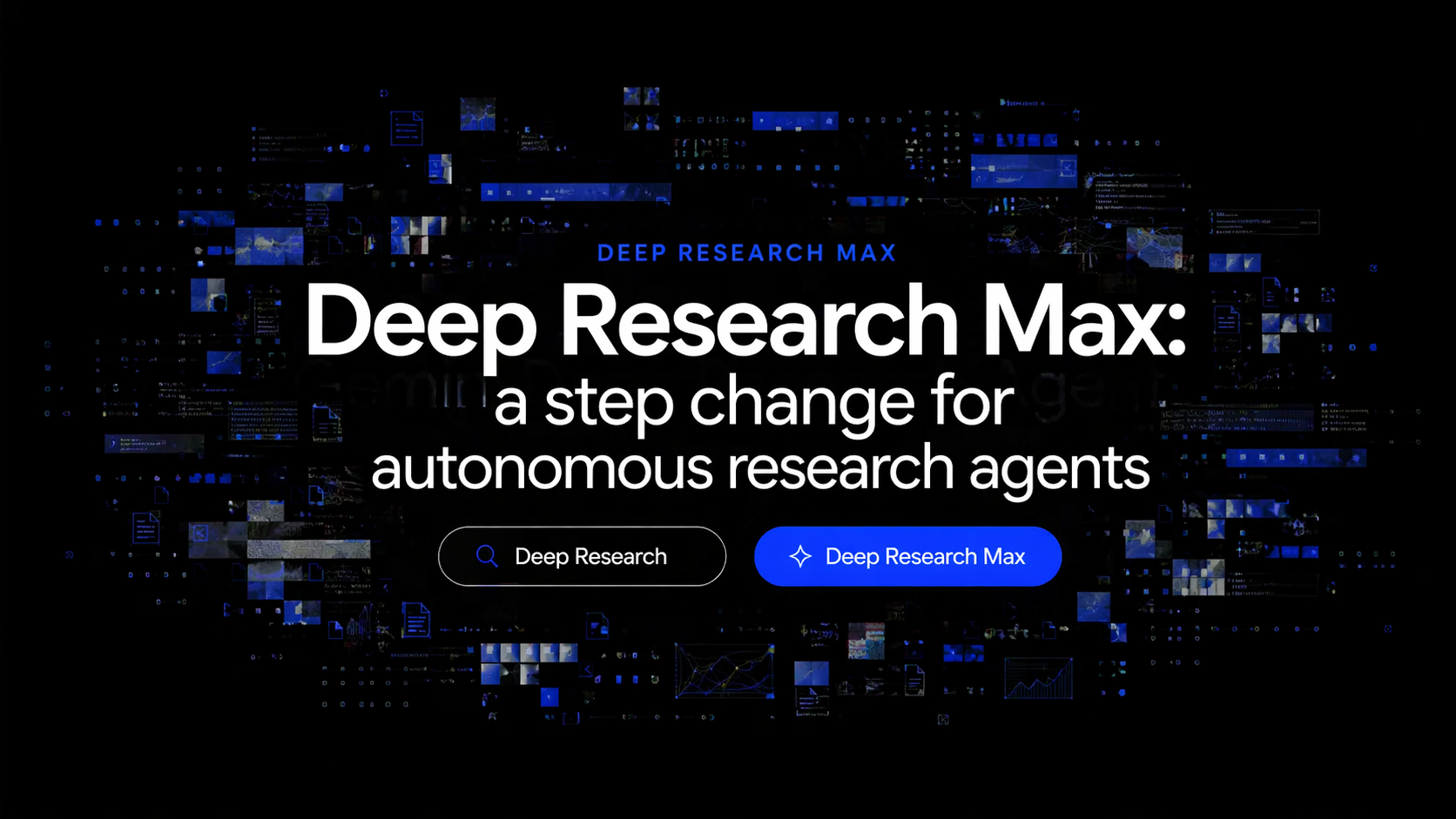
Google Upgrades Gemini Deep Research With a New Max Tier for Autonomous Agents
Google is expanding its Gemini Deep Research offering with a faster standard agent and a new Deep Research Max mode built for higher-quality autonomous research. The launch adds MCP support, native charts, multimodal grounding, and deeper enterprise data access to long-horizon research workflows.
Anthropic Opens Claude Design Research Preview for Prototypes, Decks, and Visual Workflows
Anthropic has launched Claude Design through Anthropic Labs, giving Claude Pro, Max, Team, and Enterprise users a new way to turn prompts, files, and brand systems into polished prototypes, slides, one-pagers, and marketing assets.
Anthropic Launches Claude Opus 4.7 With Stronger Coding, Sharper Vision, and New Cyber Guardrails
Anthropic has released Claude Opus 4.7 as a broad upgrade to Opus 4.6, pairing better software engineering and high-resolution vision with a new cyber safety layer meant to test how stronger models can be deployed without widening dangerous misuse.
OpenAI Unveils GPT-Rosalind, a Life Sciences Reasoning Model for Drug Discovery and Biology
OpenAI has introduced GPT-Rosalind, a new life sciences reasoning model aimed at biology, drug discovery, and translational medicine workflows. The launch pairs stronger scientific tool use with a trusted-access rollout for qualified enterprise research teams in the U.S.
Google Unveils Gemini 3.1 Flash TTS With More Expressive, Controllable AI Speech
Google has launched Gemini 3.1 Flash TTS in preview across the Gemini API, Vertex AI, and Google Vids, adding stronger controllability, native multi- speaker dialogue, and new audio tags for expressive speech generation.
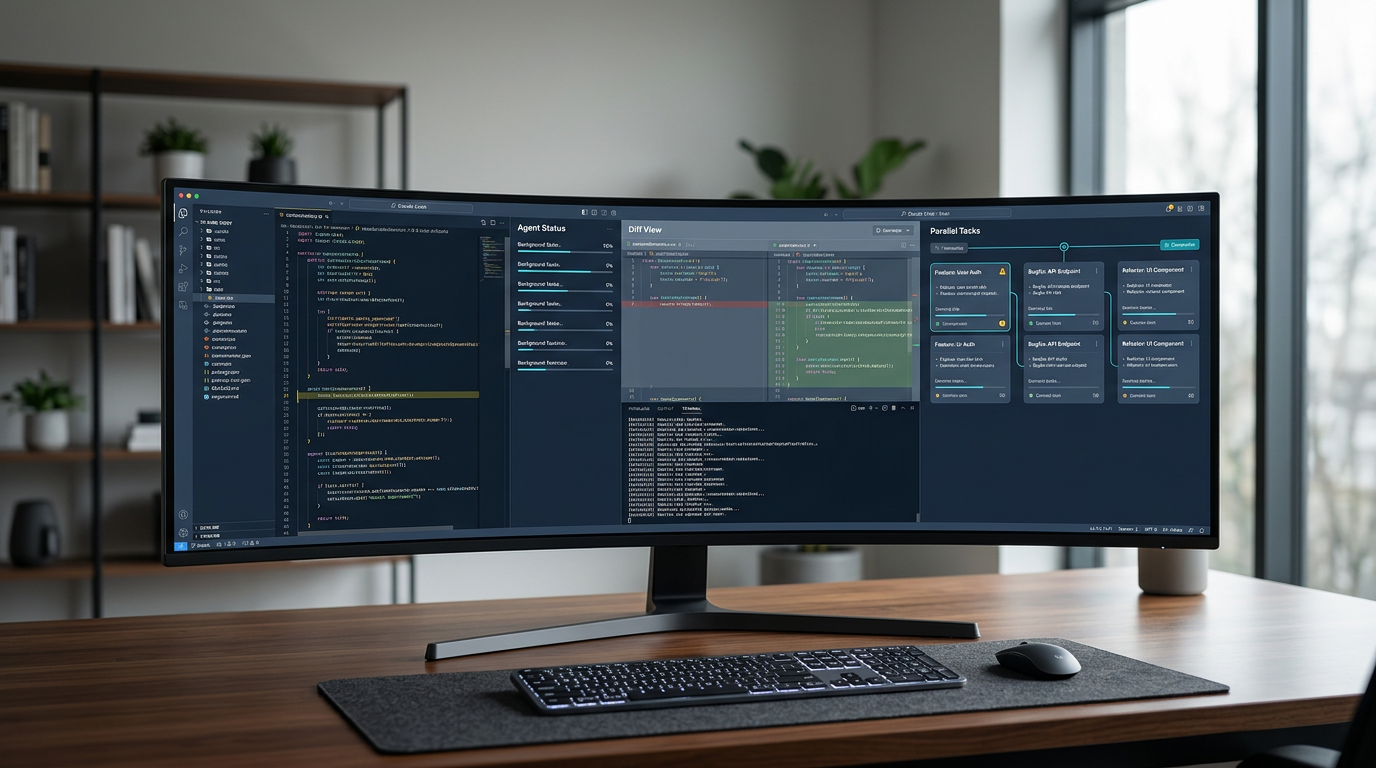
Anthropic Redesigns Claude Code Desktop Around Parallel Agent Workflows
Anthropic has rolled out a redesigned Claude Code desktop app focused on managing multiple agent sessions at once, with a new sidebar, in-app tools, and a workspace built for parallel coding work.
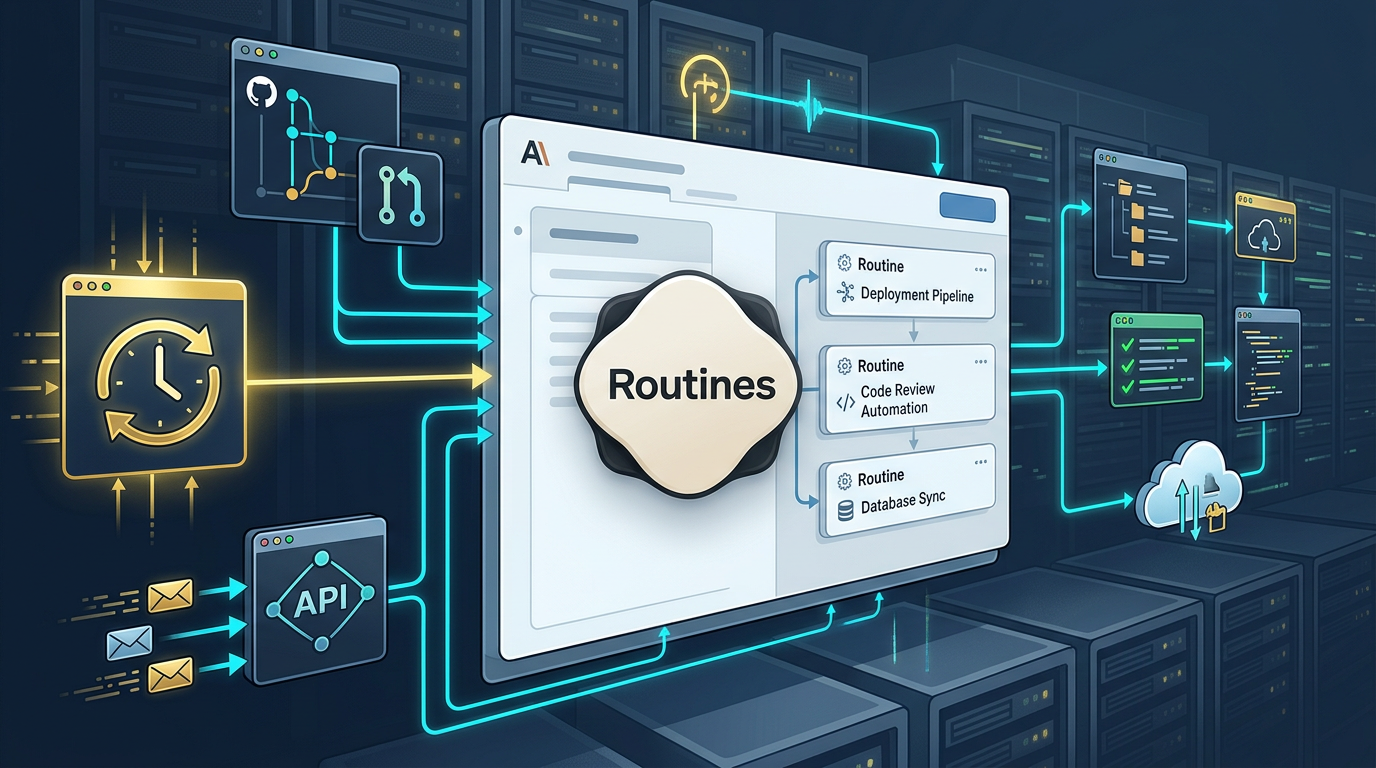
Anthropic Launches Claude Code Routines to Automate PR Reviews, Backlog Work, and Cloud Events
Anthropic has introduced Routines for Claude Code in research preview, letting teams configure repeatable automations that run on schedules, API calls, and GitHub events without depending on a local machine.
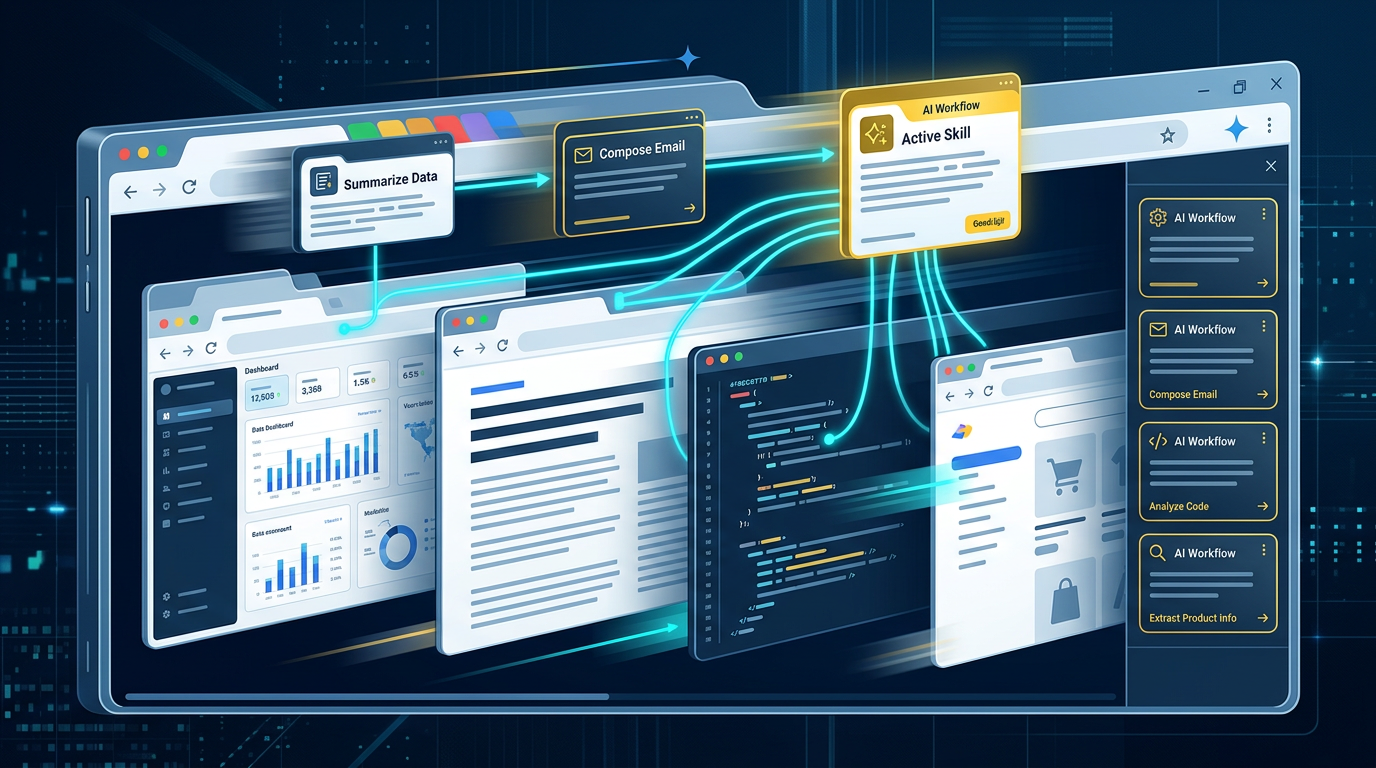
Google Brings Reusable Gemini Skills to Chrome to Turn Prompts Into One-Click Workflows
Google is adding Gemini Skills to Chrome, letting users save and reuse prompt workflows across web pages as the browser becomes a more active AI productivity surface.