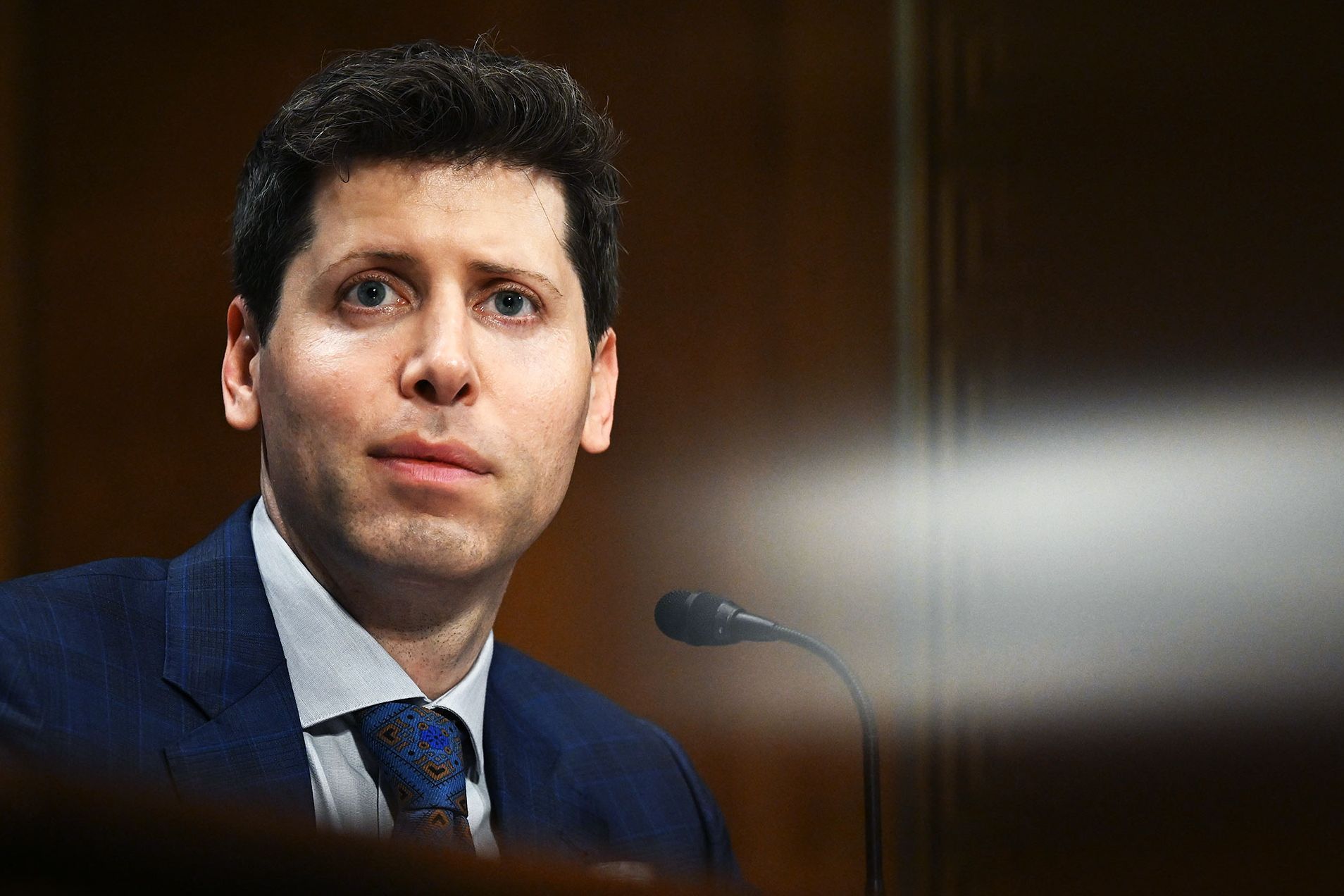
Florida Sues OpenAI and Sam Altman Over ChatGPT's Alleged Role in Violent Incidents
Florida's attorney general has filed what he calls the first state-led lawsuit against OpenAI and CEO Sam Altman over ChatGPT's alleged links to violent incidents. The case pushes AI safety litigation into a new phase by targeting a frontier lab through state action rather than only private civil claims.

OpenAI Brings ChatGPT Into PowerPoint for Editable Deck Creation
OpenAI has launched ChatGPT for PowerPoint in beta, letting users create, revise, summarize, and polish presentation decks directly inside Microsoft's slide app. The add-in keeps output editable in PowerPoint while giving ChatGPT access to deck structure and source material.
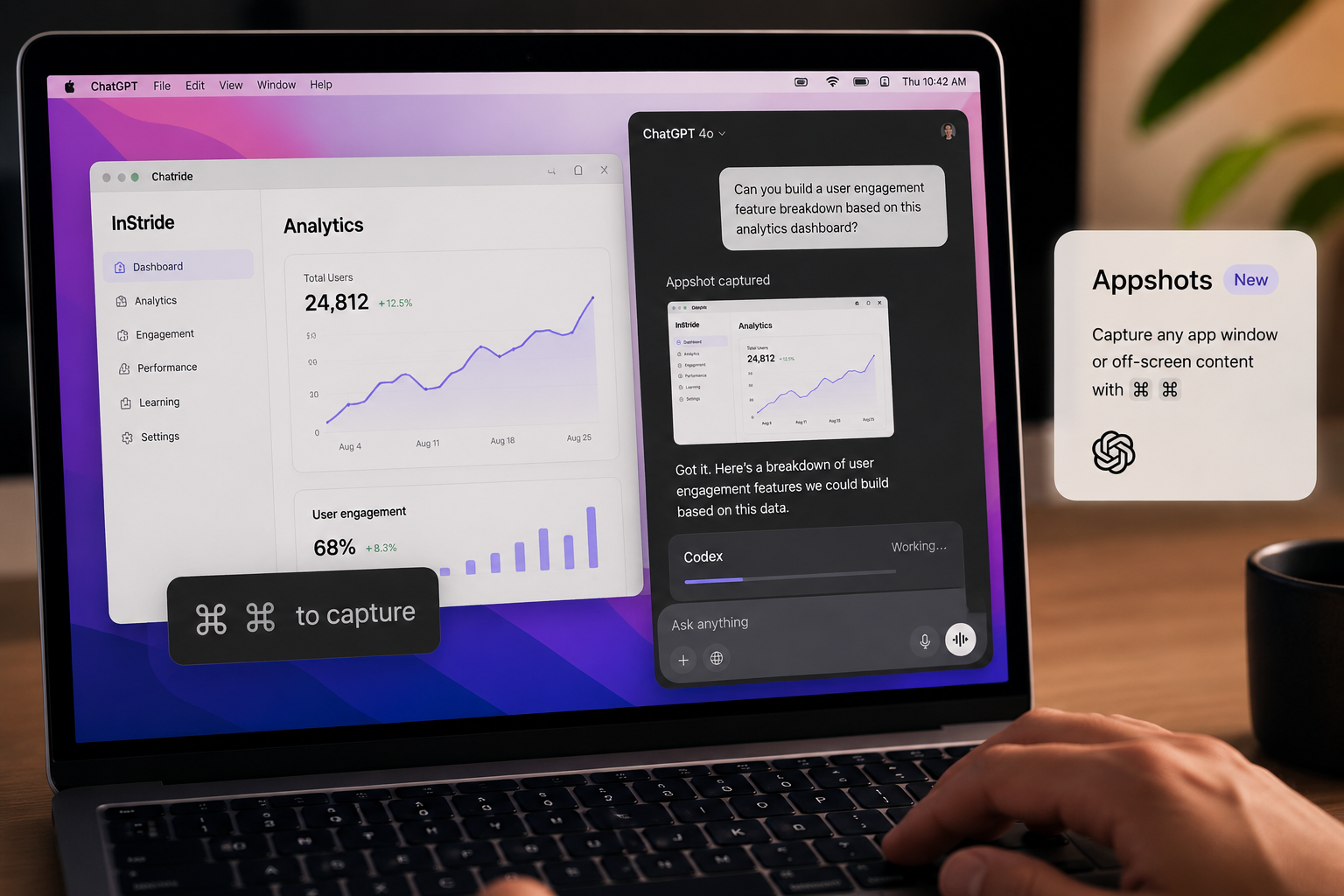
OpenAI Gives Codex Appshots, Goal Mode, and Team Plugin Sharing
OpenAI is rolling out a new batch of Codex updates led by Appshots, a Mac feature that lets developers attach app context directly to a Codex thread. The release also expands long-running goal mode, browser annotations, business analytics, and shared plugins for teams.
OpenAI Brings GPT-5.5, Codex, and Managed Agents to AWS
OpenAI and AWS are expanding their partnership with OpenAI models on Amazon Bedrock, Codex support through Bedrock, and new Bedrock Managed Agents powered by OpenAI. The move gives enterprises a clearer path to use OpenAI systems inside existing AWS security, procurement, and governance workflows.

OpenAI Loosens Microsoft Ties as Musk Trial Begins
OpenAI is moving to reduce its dependence on Microsoft just as Elon Musk's lawsuit over the company's founding mission heads into jury selection. A revised Microsoft deal, possible Qualcomm hardware partnership, and broader cloud ambitions point to a company preparing for its next phase.
Microsoft and OpenAI Redraw the Rules of Their AI Partnership
Microsoft and OpenAI have amended their partnership, giving both companies more room to maneuver while preserving Azure's central role. The deal clarifies cloud access, IP licensing, revenue sharing, and the companies' long-term AI infrastructure plans.
OpenAI Opens GPT-5.5 Bio Bug Bounty to Test Frontier AI Safety Controls
OpenAI is inviting vetted red-teamers, security researchers, and biosecurity specialists to test whether GPT-5.5 can be universally jailbroken on five biology safety questions. The private bounty offers $25,000 for the first true universal jailbreak.

OpenAI Launches GPT-5.5 for Real Work Across ChatGPT, Codex, and Enterprise Teams
OpenAI has launched GPT-5.5 as a new flagship model aimed less at chatbot novelty and more at sustained work across coding, research, data analysis, and agentic tool use. The release also signals a sharper push into enterprise and workflow-heavy deployments.

OpenAI Launches ChatGPT Images 2.0 as a More Precise, Multilingual Visual Engine
OpenAI has launched ChatGPT Images 2.0 across ChatGPT, Codex, and the API, positioning image generation less as a novelty feature and more as a serious visual production system. The new model adds stronger instruction following, better text rendering, broader language support, flexible aspect ratios, and tighter links to reasoning workflows.
OpenAI Pushes Codex Beyond Coding With Computer Use, Memory, and Long-Running Automations
OpenAI has rolled out a major Codex update that expands the app from a coding assistant into a broader software workflow tool. The release adds computer use, memory, image generation, plugins, and more support for ongoing developer tasks.

OpenAI Unveils GPT-Rosalind, a Life Sciences Reasoning Model for Drug Discovery and Biology
OpenAI has introduced GPT-Rosalind, a new life sciences reasoning model aimed at biology, drug discovery, and translational medicine workflows. The launch pairs stronger scientific tool use with a trusted-access rollout for qualified enterprise research teams in the U.S.
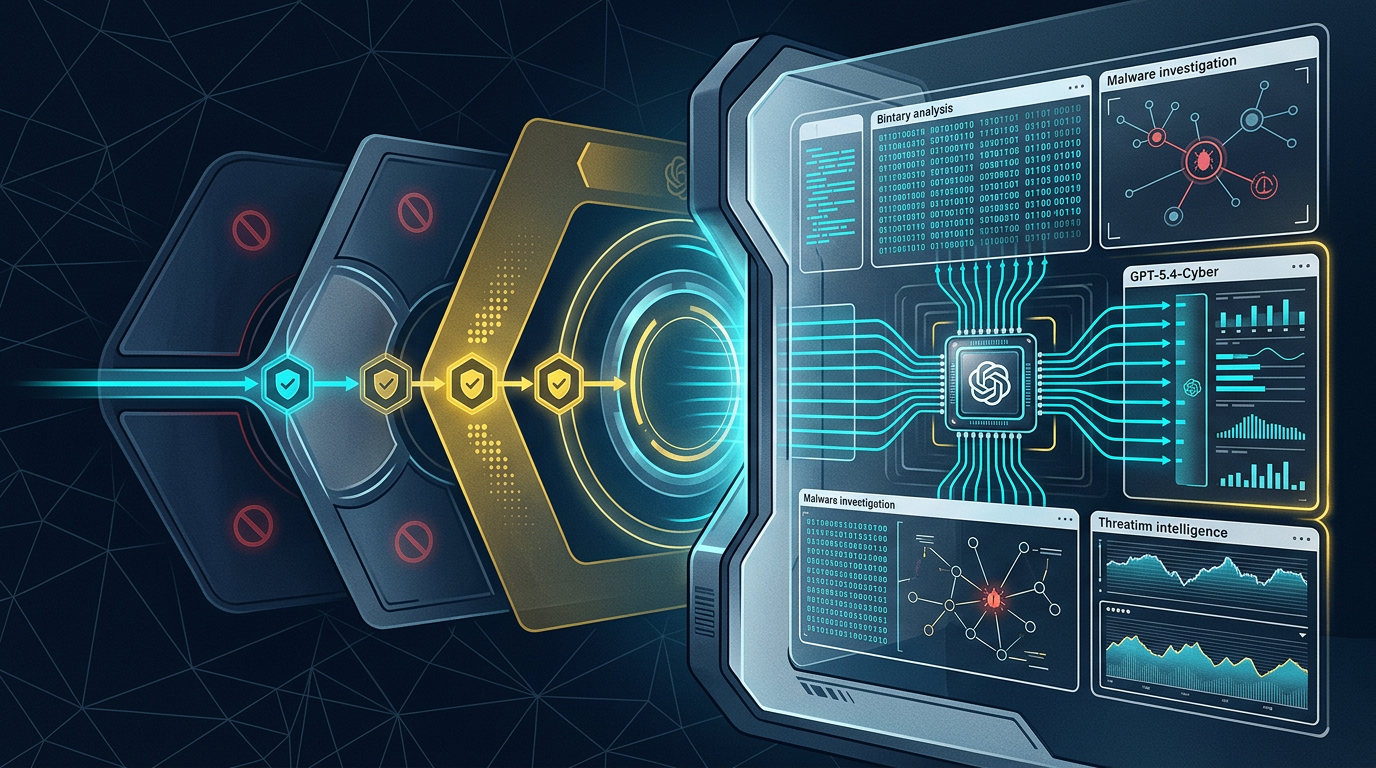
OpenAI Expands Trusted Cyber Access With GPT-5.4-Cyber for Verified Defenders
OpenAI is expanding its Trusted Access for Cyber program and introducing GPT-5.4-Cyber, a more permissive model for vetted security teams working on malware analysis, reverse engineering, and defensive cybersecurity tasks.