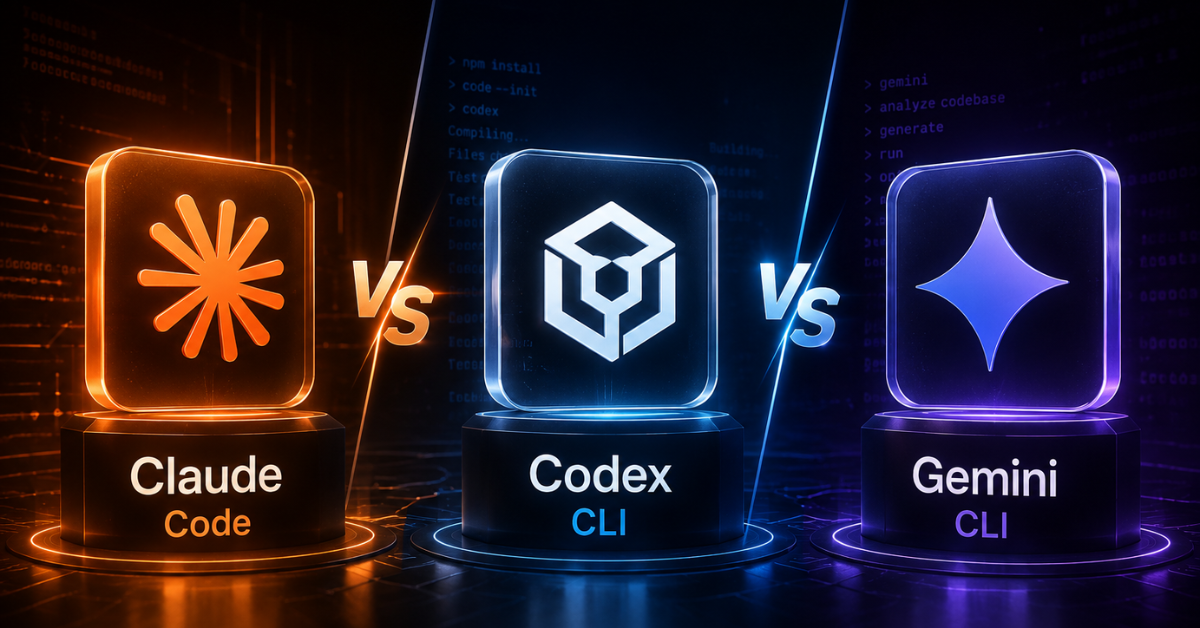
Claude Code vs Codex CLI vs Gemini CLI: Which AI Coding Tool Actually Wins in 2026?
Claude Code, Codex CLI, and Gemini CLI all promise faster software work, but they are built around very different ideas of what an AI coding agent should do. This in-depth 2026 comparison breaks down where each one is strongest, who should use it, and why Google's May 2026 CLI transition changes the conversation.
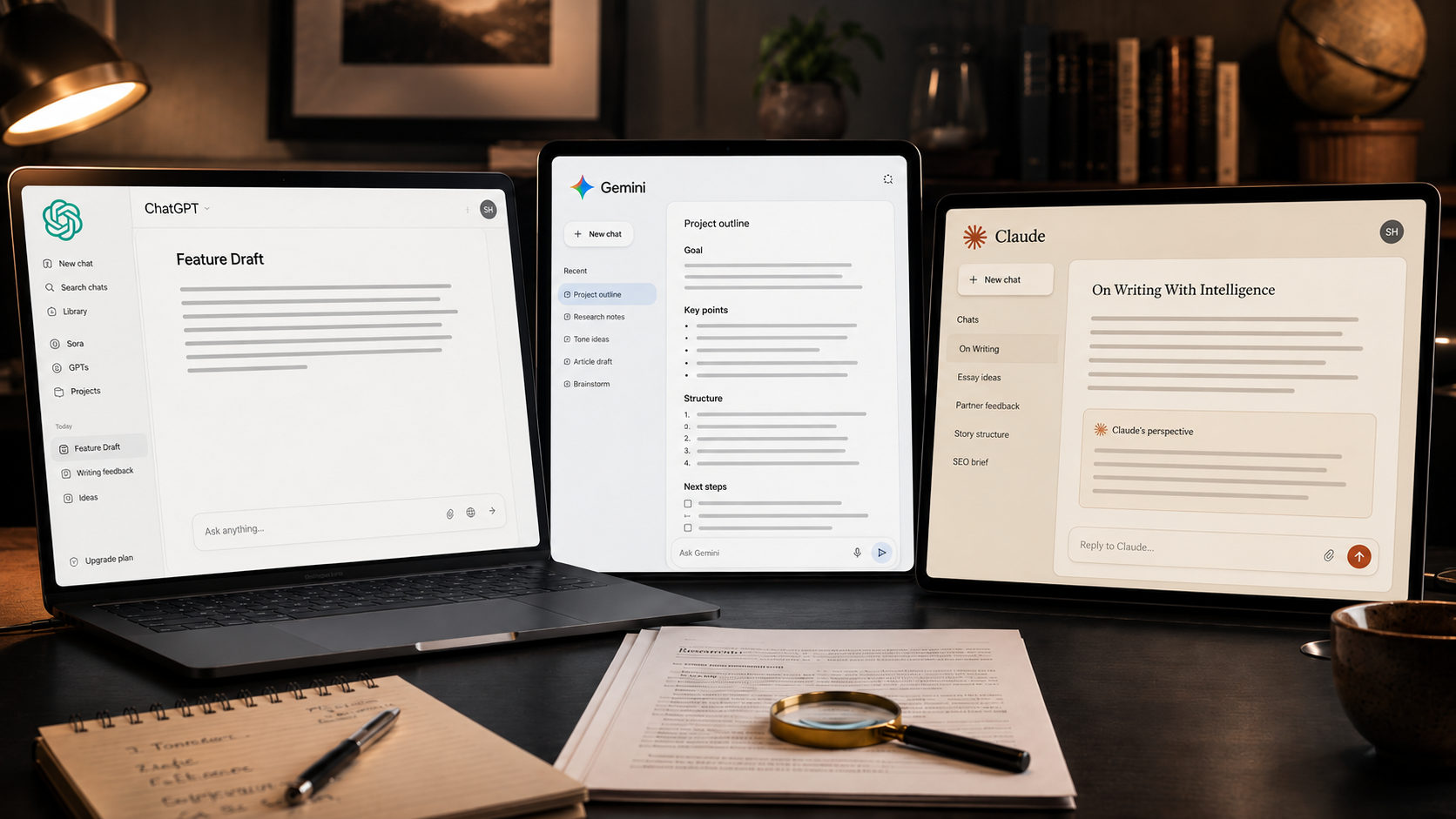
I Used Claude, Gemini, And GPT-4o To Write The Same AI News Article: One Was Clearly Better
I gave Claude, Gemini, and GPT-4o the same AI news article brief, the same sources, and the same editorial goal. One model had the cleanest draft, one had the best structure, and one produced the strongest editorial voice.
CapCut Is Bringing Video and Image Editing Into Gemini
CapCut says it is partnering with Gemini to let users edit images and videos directly inside Google's AI app. The integration signals a broader push to turn conversational AI tools into practical creative workspaces.
Google Upgrades Gemini Deep Research With a New Max Tier for Autonomous Agents
Google is expanding its Gemini Deep Research offering with a faster standard agent and a new Deep Research Max mode built for higher-quality autonomous research. The launch adds MCP support, native charts, multimodal grounding, and deeper enterprise data access to long-horizon research workflows.
Gemini Lands on Mac With a Native Desktop App Built for Always-On AI Help
Google has launched a native Gemini app for macOS, giving Mac users a faster way to access AI help with a global shortcut, window sharing, and support for local files.

Gemini Can Now Import Your AI Memories and Chat History From Other Apps
Google is rolling out memory and chat history import tools for all Gemini consumer accounts, letting users carry their preferences and past conversations from other AI assistants without starting over.

Google Launches Lyria 3 Pro: Longer Tracks, Deeper Control, and Enterprise Access
A month after Lyria 3's debut, Google is releasing a Pro tier with three-minute track generation, structural composition control, and rollout across Gemini, Vertex AI, and ProducerAI.