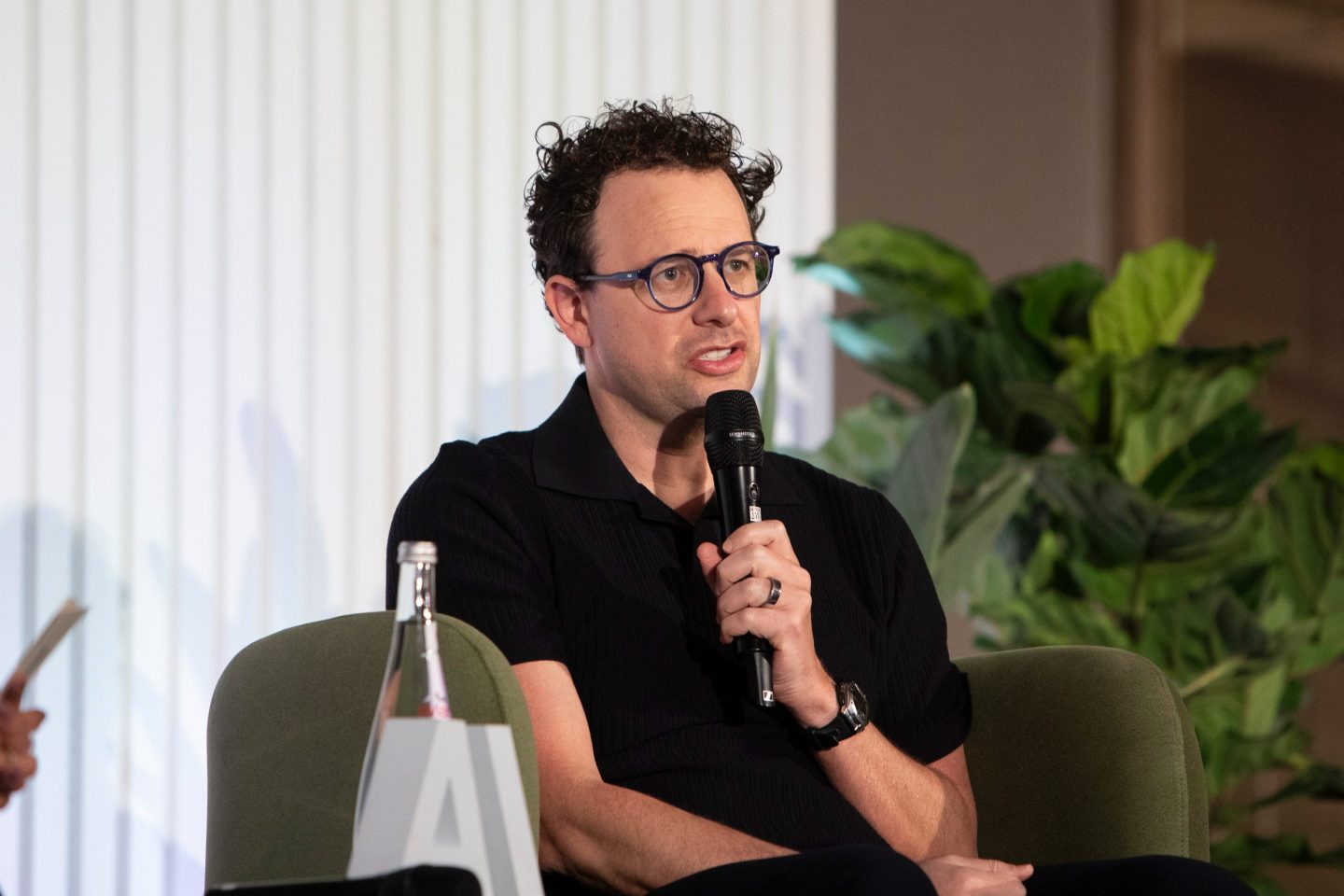
Anthropic Files Confidentially for an IPO as AI Listing Race Heats Up
Anthropic has confidentially filed for an initial public offering, moving one of the most valuable AI companies closer to the public markets. The filing lands as investor appetite for frontier AI remains intense and as OpenAI is widely expected to chart its own IPO path.
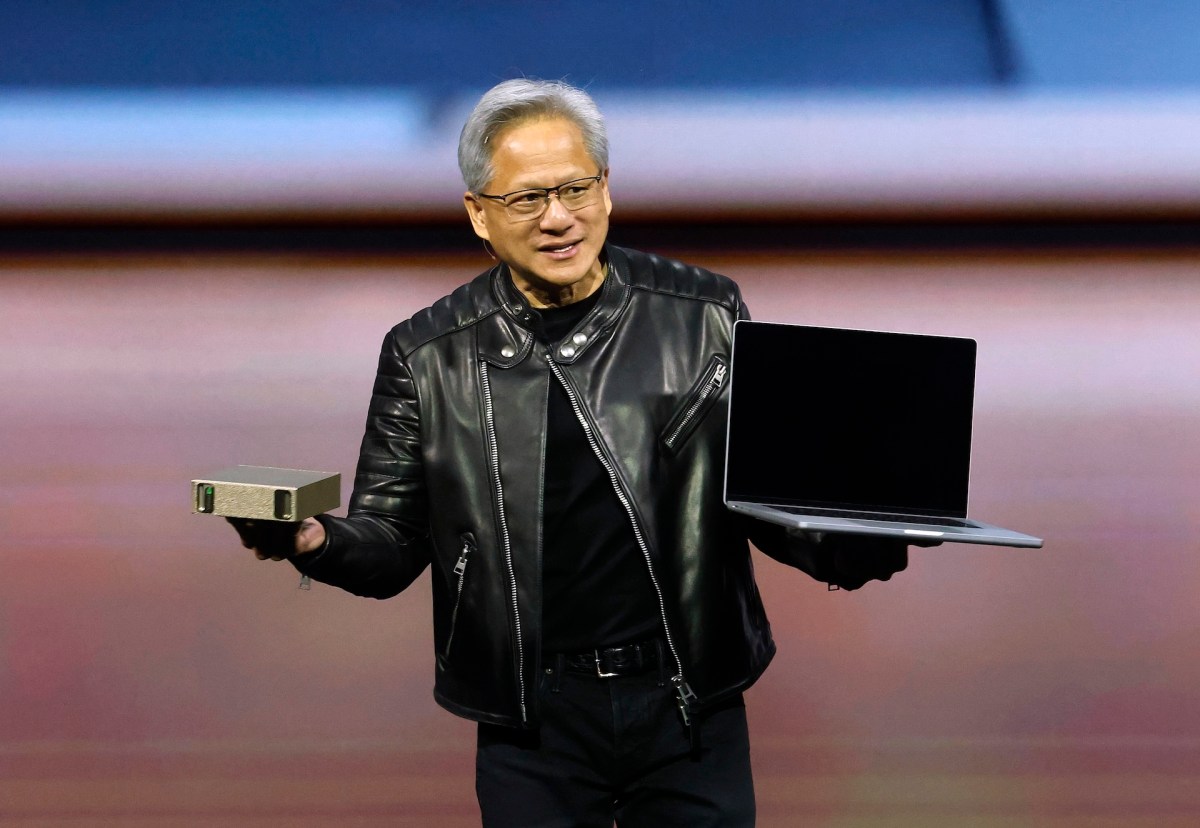
Nvidia Pushes AI Agent PCs Into the Windows Market With Dell, HP, Lenovo, and Surface
Nvidia used Computex to turn its AI agent ambitions into a Windows PC push, unveiling RTX Spark systems with Microsoft, Dell, HP, Lenovo, and others. The move aims beyond gaming and content creation toward a much larger bet on CPUs built for agentic computing.
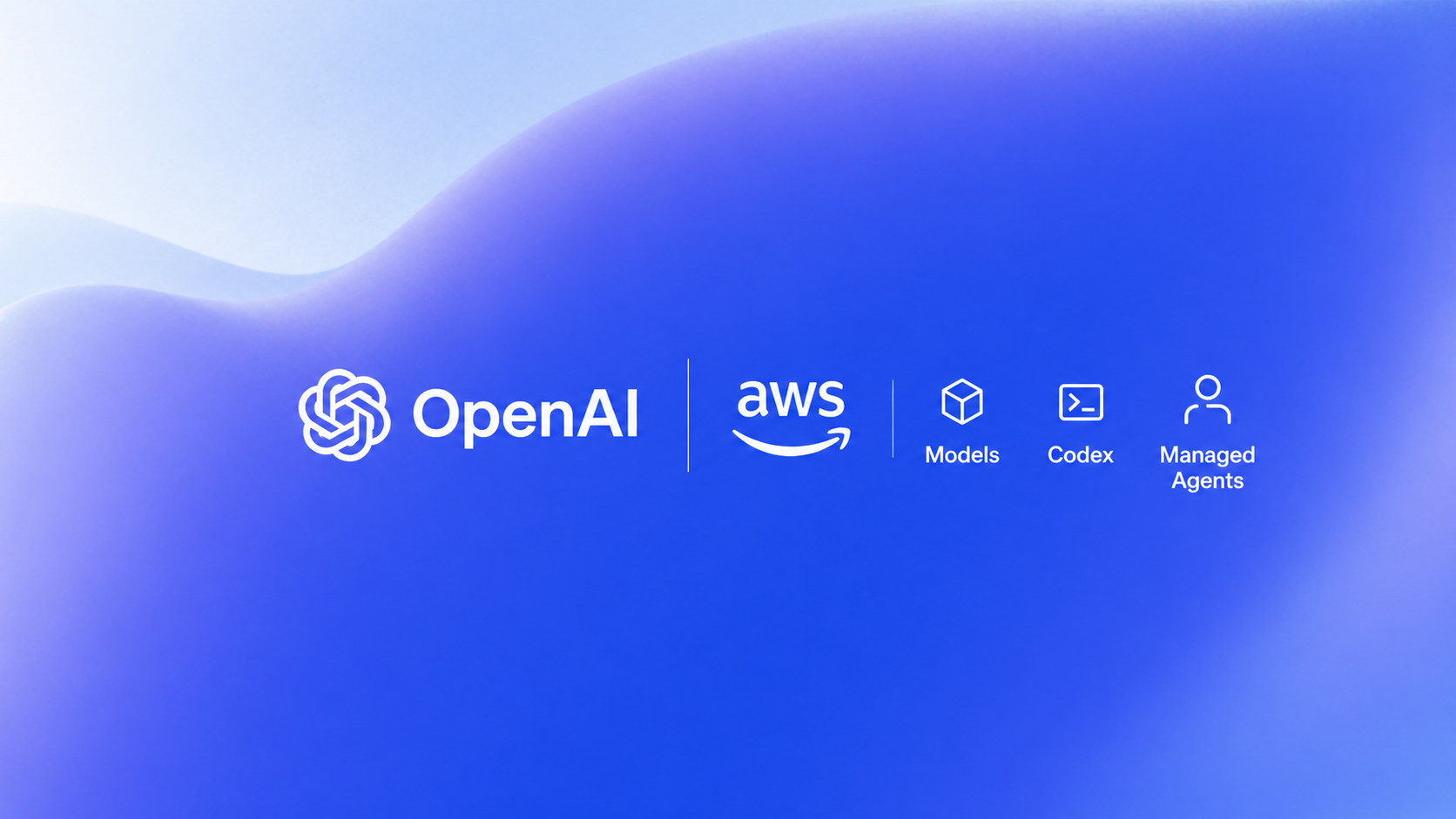
OpenAI Brings GPT-5.5, Codex, and Managed Agents to AWS
OpenAI and AWS are expanding their partnership with OpenAI models on Amazon Bedrock, Codex support through Bedrock, and new Bedrock Managed Agents powered by OpenAI. The move gives enterprises a clearer path to use OpenAI systems inside existing AWS security, procurement, and governance workflows.
Meta Taps AWS Graviton Chips as Agentic AI Push Raises CPU Demand
Meta has signed a new agreement to deploy millions of AWS Graviton processors as it scales the infrastructure behind its agentic AI ambitions. The deal highlights how AI compute demand is expanding beyond GPUs into high-performance CPUs for orchestration, inference, and memory-heavy workloads.
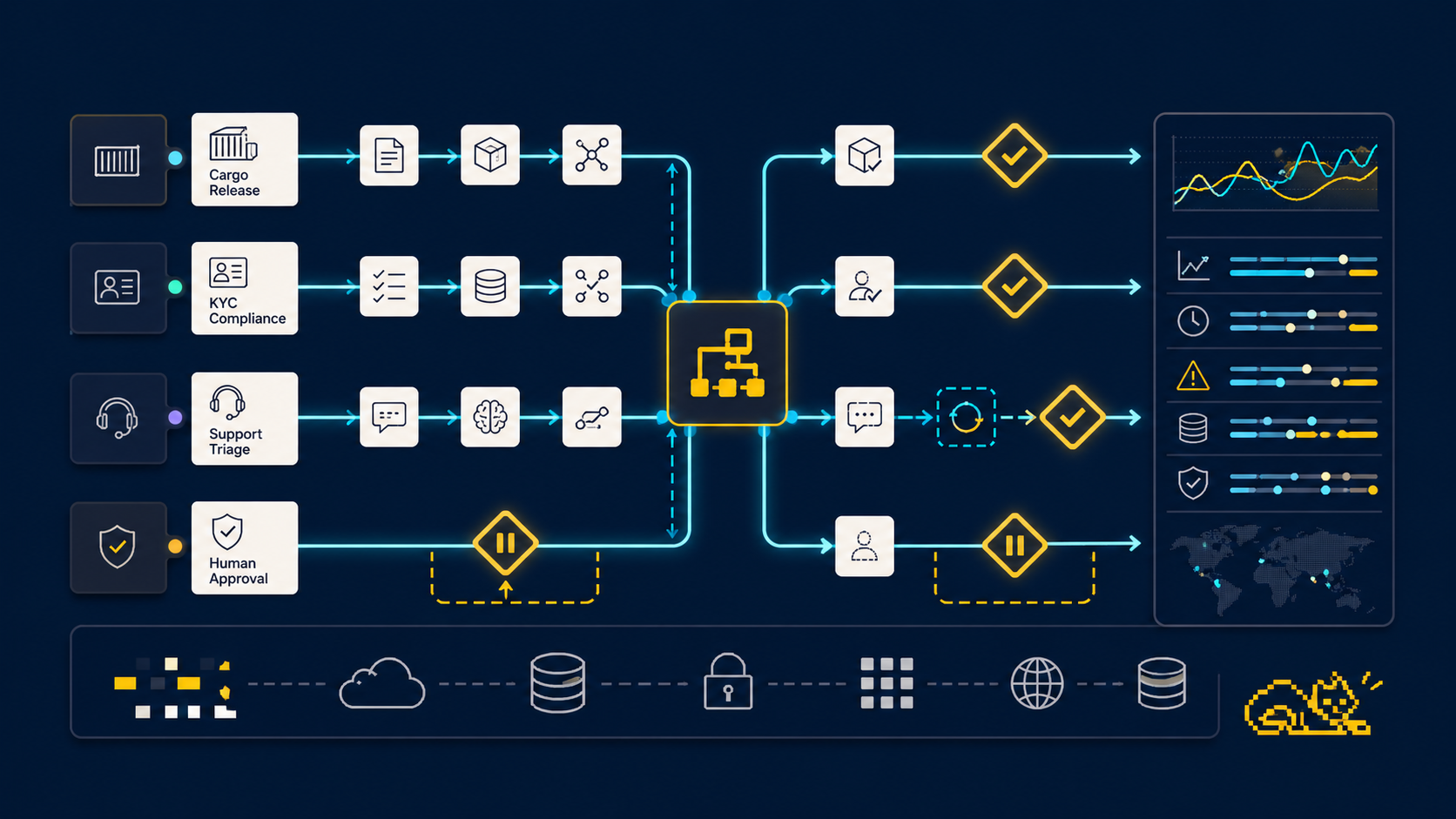
Mistral Launches Workflows to Move Enterprise AI From Demos Into Production
Mistral AI has released Workflows in public preview, pitching it as the orchestration layer enterprises need to run AI-powered business processes reliably. The system is built for durable execution, observability, human approvals, and deployment inside real operational environments.

OpenAI Loosens Microsoft Ties as Musk Trial Begins
OpenAI is moving to reduce its dependence on Microsoft just as Elon Musk's lawsuit over the company's founding mission heads into jury selection. A revised Microsoft deal, possible Qualcomm hardware partnership, and broader cloud ambitions point to a company preparing for its next phase.

MIT's EnergAIzer Estimates AI Power Use in Seconds
MIT and MIT-IBM Watson AI Lab researchers have developed EnergAIzer, a method for estimating the power draw of AI workloads in seconds. The tool could help data center operators, model developers, and chip designers reduce wasted energy as AI demand grows.
Microsoft and OpenAI Redraw the Rules of Their AI Partnership
Microsoft and OpenAI have amended their partnership, giving both companies more room to maneuver while preserving Azure's central role. The deal clarifies cloud access, IP licensing, revenue sharing, and the companies' long-term AI infrastructure plans.

China Orders Meta to Unwind Its Manus AI Acquisition
China has ordered Meta to reverse its acquisition of Manus, a Singapore-based AI startup founded by Chinese engineers. The decision could unsettle Chinese AI founders seeking foreign capital and deepen the political risk around cross-border AI deals.
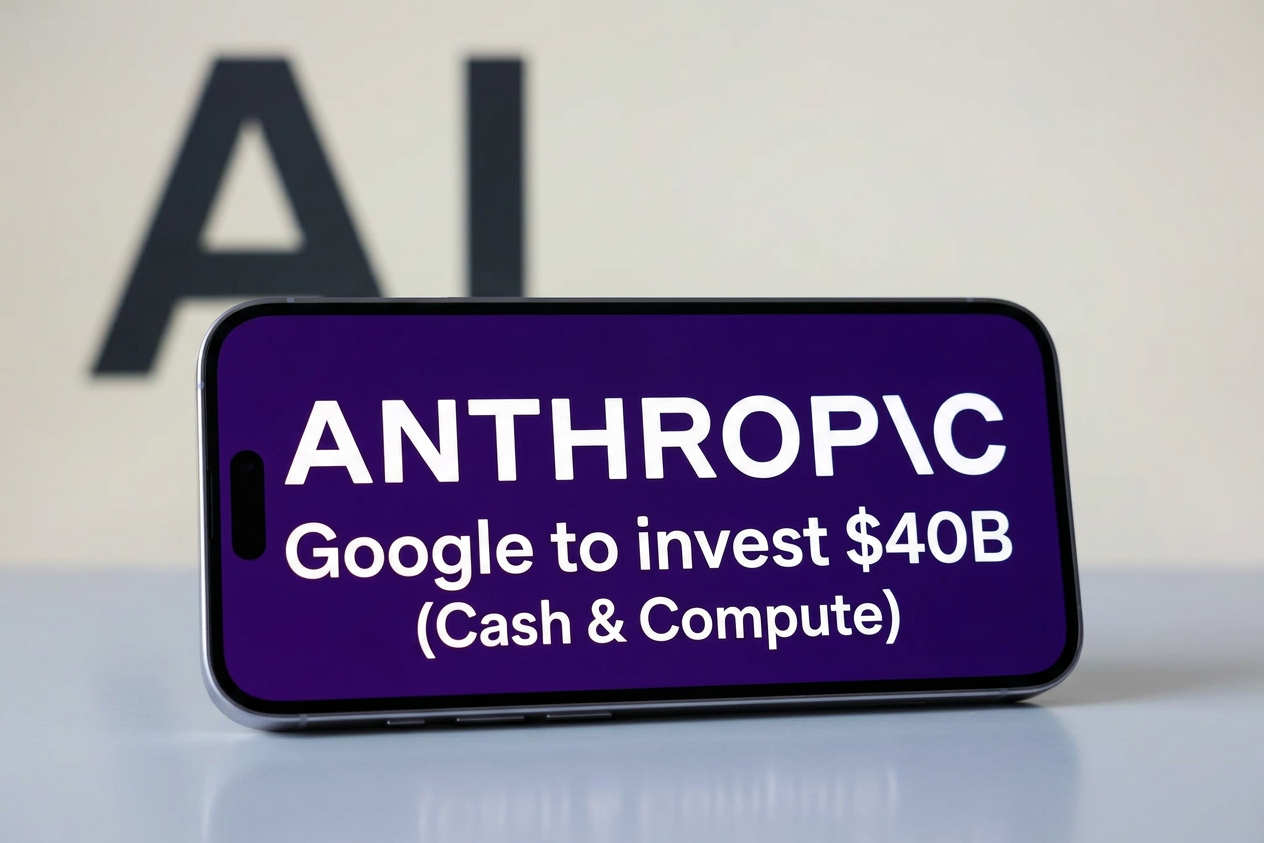
Google Lines Up $40B Anthropic Bet as AI Compute Race Intensifies
Google is reportedly preparing up to $40 billion in cash and compute support for Anthropic, including $10 billion now and another $30 billion tied to performance targets. The deal deepens Anthropic's dependence on hyperscale AI infrastructure.
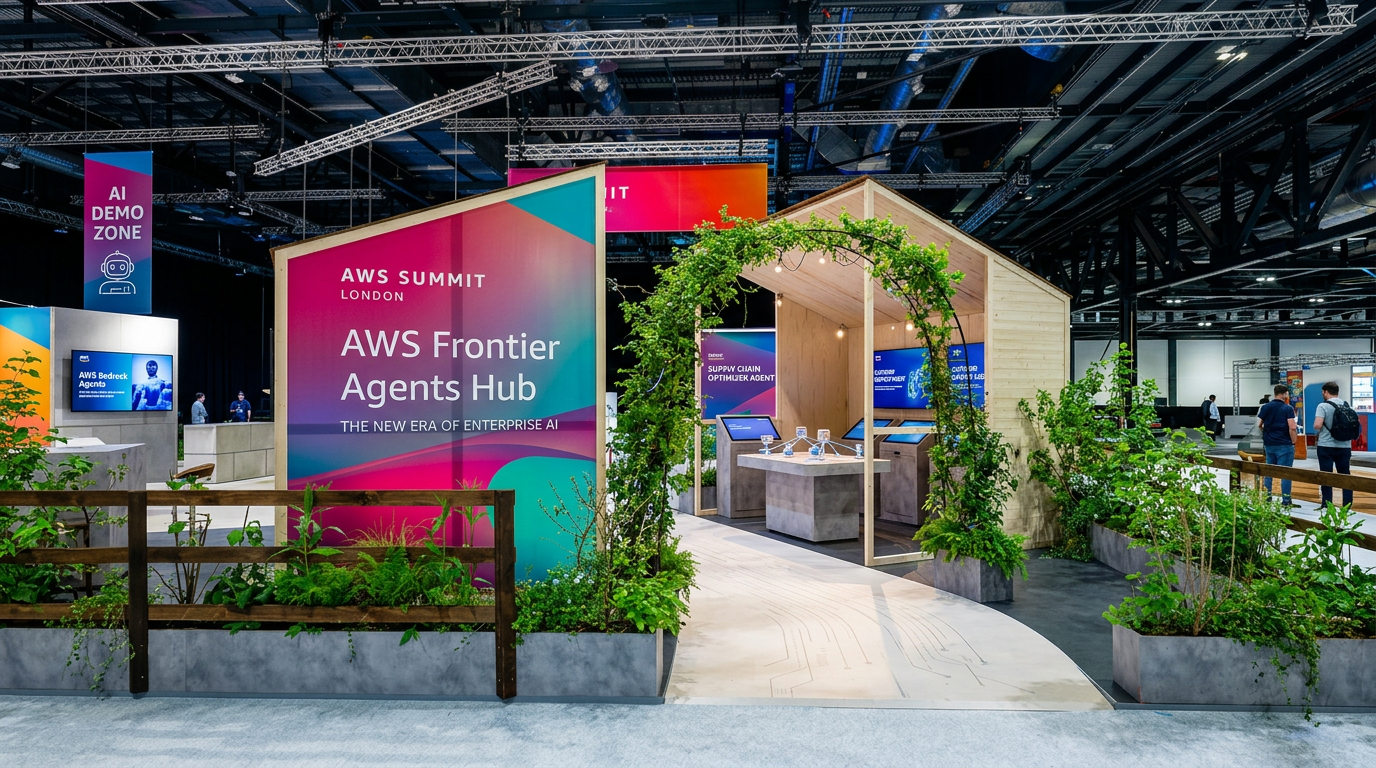
AWS Makes Frontier Agents Its Next Big Enterprise AI Bet
AWS is pitching frontier agents as the next phase of enterprise AI: systems that can work autonomously, at scale, and across long-running goals. The company is using Kiro, DevOps agents, security agents, and sustainability data projects to show where the model could land first.

Anthropic and Amazon Expand Claude Compute Pact to 5 Gigawatts
Anthropic has signed a major new infrastructure agreement with Amazon that secures up to 5 gigawatts of compute for Claude over the next decade. The deal deepens Anthropic's dependence on AWS custom silicon just as enterprise demand, global inference needs, and reliability pressures intensify.