
Anthropic's Claude Opus 4.8 Turns Enterprise AI Into a More Configurable Workflow Tool
Anthropic has launched Claude Opus 4.8 with dynamic workflows, a lower-cost fast mode, and stronger uncertainty signaling. The update matters less as a benchmark jump than as a practical attempt to make enterprise AI systems more usable, governable, and affordable.

Claude's Projects Feature Is the Closest Thing to a Second Brain I've Actually Used Consistently
A practical Claude Projects tutorial based on three months of real use, covering use cases, workflows, limitations, and why it feels closer to a second brain than a normal chatbot.

Anthropic Says Project Glasswing Found 10,000 High-Risk Vulnerabilities
Anthropic says Project Glasswing and Claude Mythos Preview have found more than 10,000 high- or critical-severity vulnerabilities across critical software. The update shifts the debate from whether AI can find bugs to whether the security ecosystem can verify and patch them fast enough.
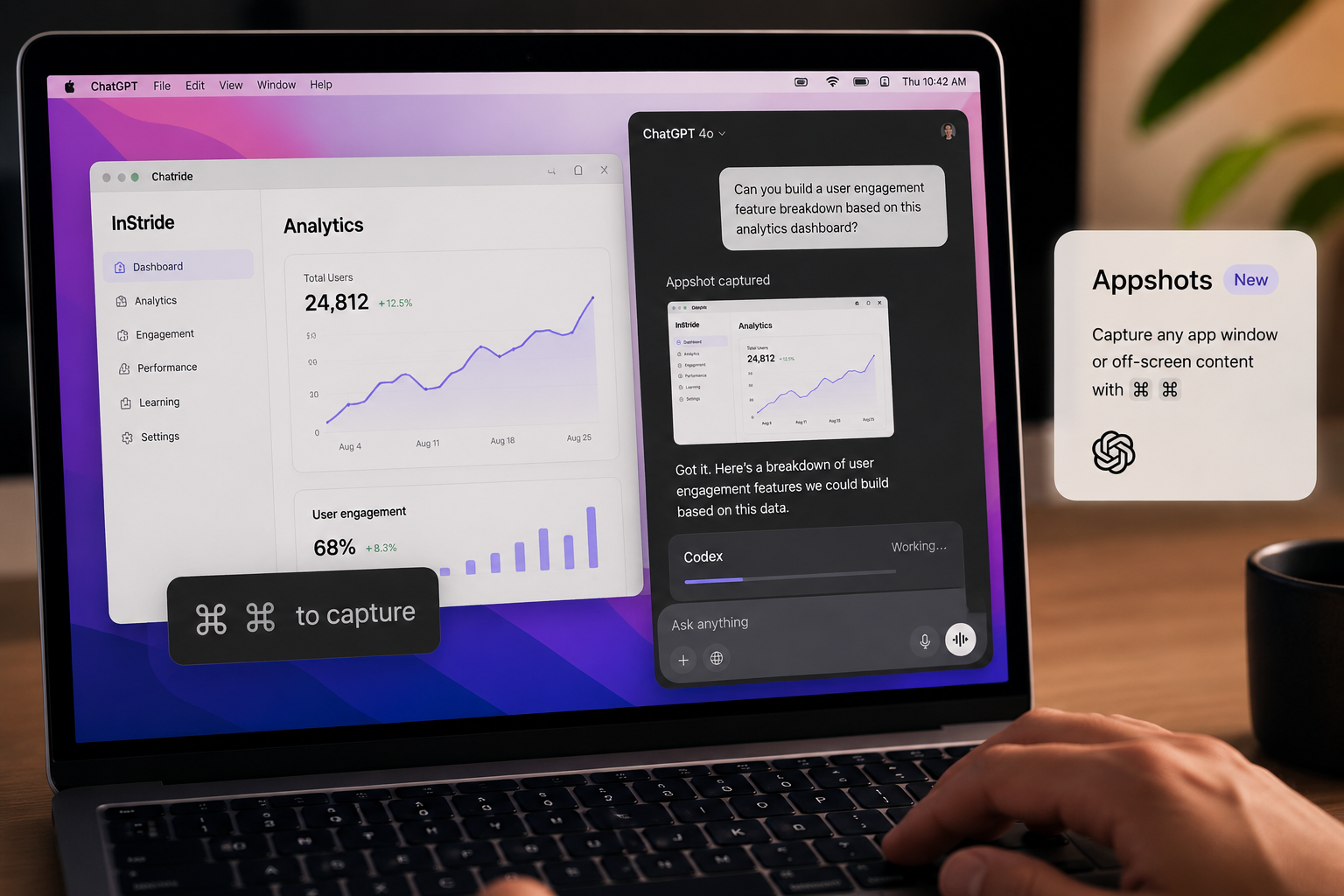
OpenAI Gives Codex Appshots, Goal Mode, and Team Plugin Sharing
OpenAI is rolling out a new batch of Codex updates led by Appshots, a Mac feature that lets developers attach app context directly to a Codex thread. The release also expands long-running goal mode, browser annotations, business analytics, and shared plugins for teams.

Alibaba Pushes AI Independence With M890 Chip and Qwen 3.7-Max
Alibaba introduced its Zhenwu M890 AI accelerator and Qwen 3.7-Max model as part of a broader push to reduce reliance on Nvidia chips. The launch shows how Chinese cloud vendors are building more of the AI stack themselves.
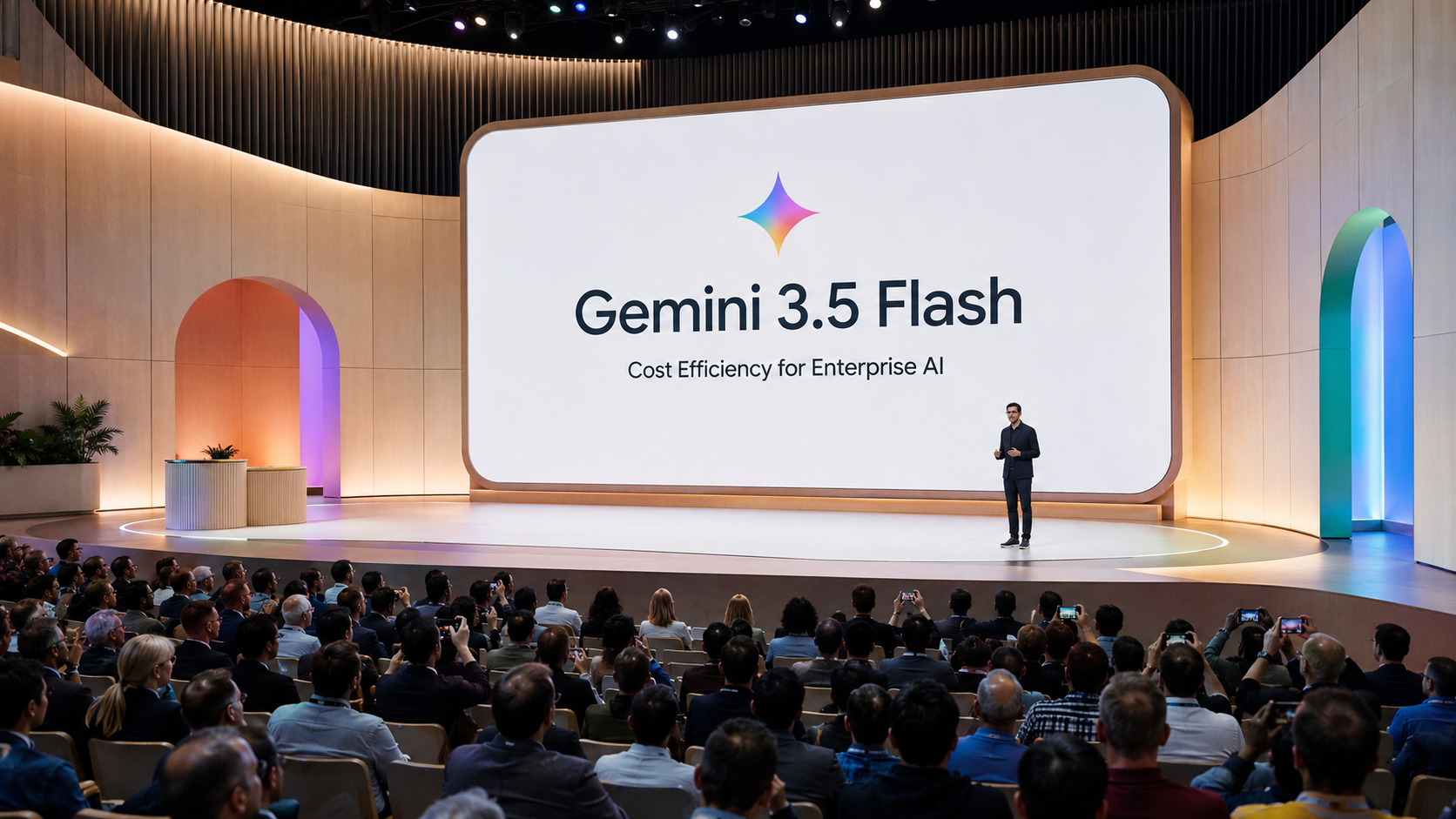
Google Targets Enterprise AI Costs With Gemini 3.5 Flash
Google introduced Gemini 3.5 Flash at I/O 2026 as a lower-cost frontier model for enterprises running AI agents. The launch also brings Gemini Omni Flash, Gemini Spark, and an updated Antigravity platform as Google pushes deeper into agentic AI.
OpenAI Brings GPT-5.5, Codex, and Managed Agents to AWS
OpenAI and AWS are expanding their partnership with OpenAI models on Amazon Bedrock, Codex support through Bedrock, and new Bedrock Managed Agents powered by OpenAI. The move gives enterprises a clearer path to use OpenAI systems inside existing AWS security, procurement, and governance workflows.
Meta Taps AWS Graviton Chips as Agentic AI Push Raises CPU Demand
Meta has signed a new agreement to deploy millions of AWS Graviton processors as it scales the infrastructure behind its agentic AI ambitions. The deal highlights how AI compute demand is expanding beyond GPUs into high-performance CPUs for orchestration, inference, and memory-heavy workloads.
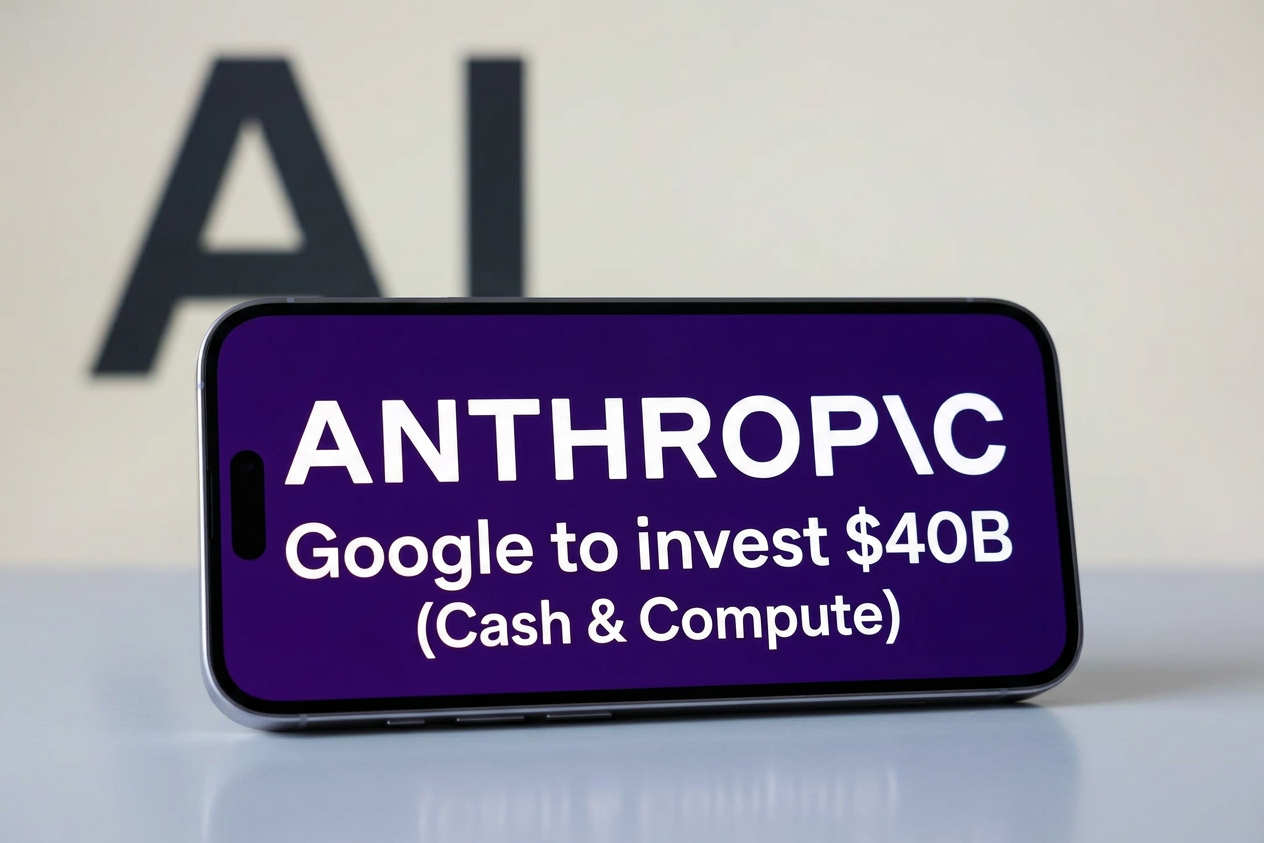
Google Lines Up $40B Anthropic Bet as AI Compute Race Intensifies
Google is reportedly preparing up to $40 billion in cash and compute support for Anthropic, including $10 billion now and another $30 billion tied to performance targets. The deal deepens Anthropic's dependence on hyperscale AI infrastructure.
OpenAI Launches GPT-5.5 for Real Work Across ChatGPT, Codex, and Enterprise Teams
OpenAI has launched GPT-5.5 as a new flagship model aimed less at chatbot novelty and more at sustained work across coding, research, data analysis, and agentic tool use. The release also signals a sharper push into enterprise and workflow-heavy deployments.

OpenAI Launches ChatGPT Images 2.0 as a More Precise, Multilingual Visual Engine
OpenAI has launched ChatGPT Images 2.0 across ChatGPT, Codex, and the API, positioning image generation less as a novelty feature and more as a serious visual production system. The new model adds stronger instruction following, better text rendering, broader language support, flexible aspect ratios, and tighter links to reasoning workflows.
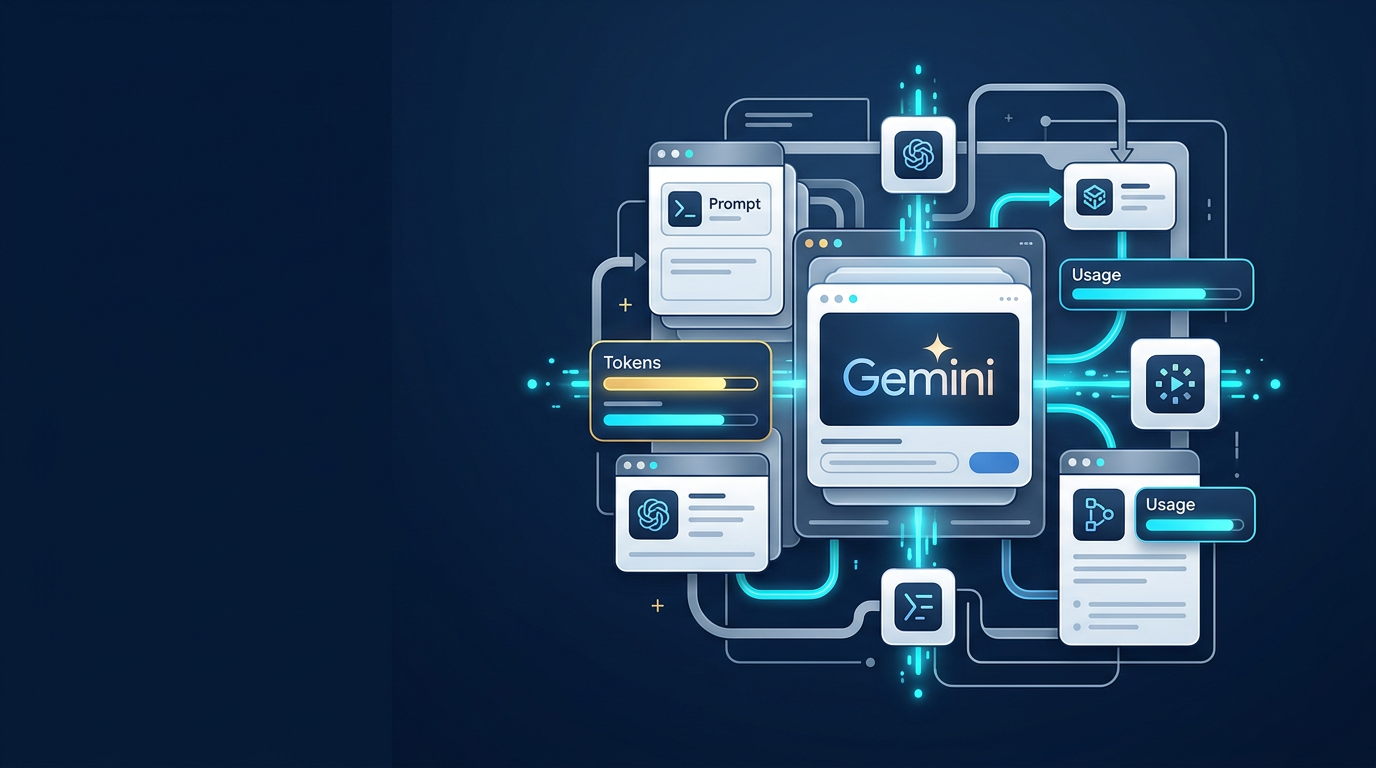
Google AI Subscribers Get Premium AI Studio Access as Prototyping Gets Easier
Google is giving AI Pro and Ultra subscribers higher usage limits in AI Studio, along with access to Nano Banana Pro and Gemini Pro models. The move makes it easier for developers to treat a consumer AI plan as a low-friction bridge into deeper prototyping.