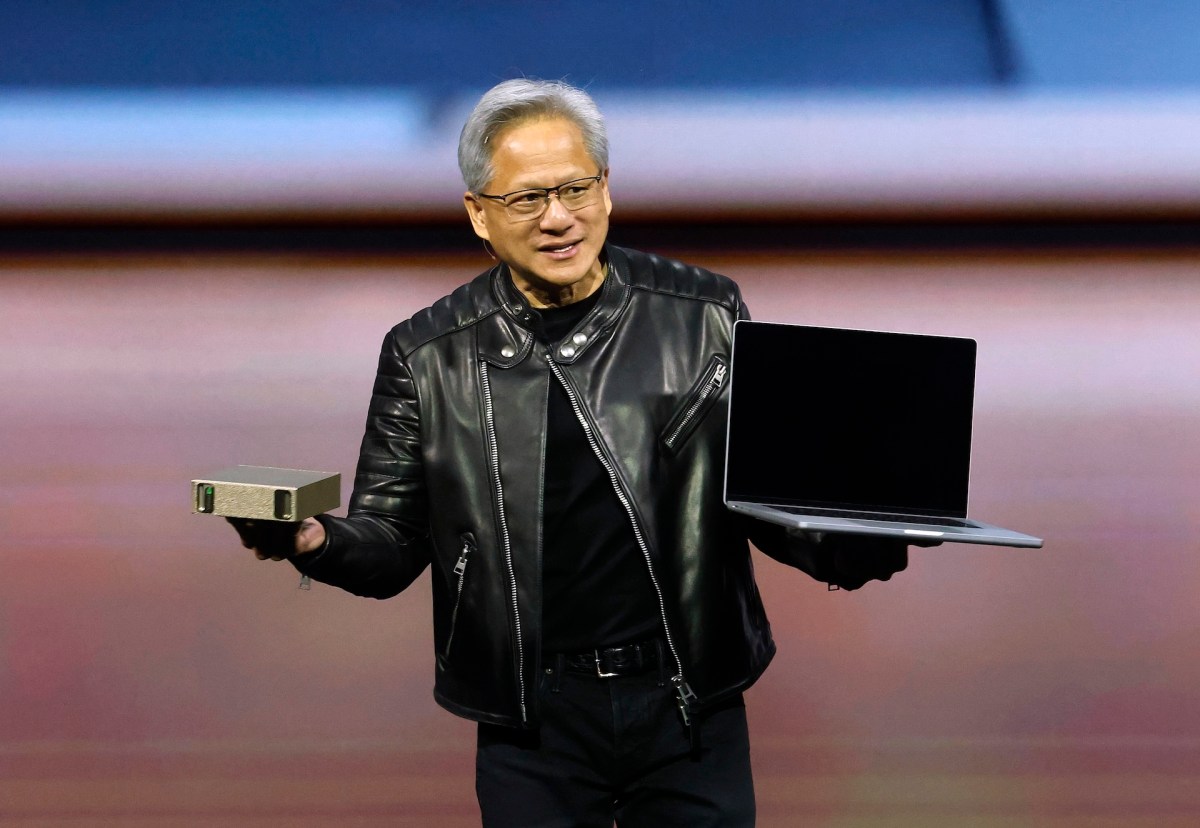
Nvidia Pushes AI Agent PCs Into the Windows Market With Dell, HP, Lenovo, and Surface
Nvidia used Computex to turn its AI agent ambitions into a Windows PC push, unveiling RTX Spark systems with Microsoft, Dell, HP, Lenovo, and others. The move aims beyond gaming and content creation toward a much larger bet on CPUs built for agentic computing.

Anthropic's Claude Opus 4.8 Turns Enterprise AI Into a More Configurable Workflow Tool
Anthropic has launched Claude Opus 4.8 with dynamic workflows, a lower-cost fast mode, and stronger uncertainty signaling. The update matters less as a benchmark jump than as a practical attempt to make enterprise AI systems more usable, governable, and affordable.

Anthropic Says Project Glasswing Found 10,000 High-Risk Vulnerabilities
Anthropic says Project Glasswing and Claude Mythos Preview have found more than 10,000 high- or critical-severity vulnerabilities across critical software. The update shifts the debate from whether AI can find bugs to whether the security ecosystem can verify and patch them fast enough.
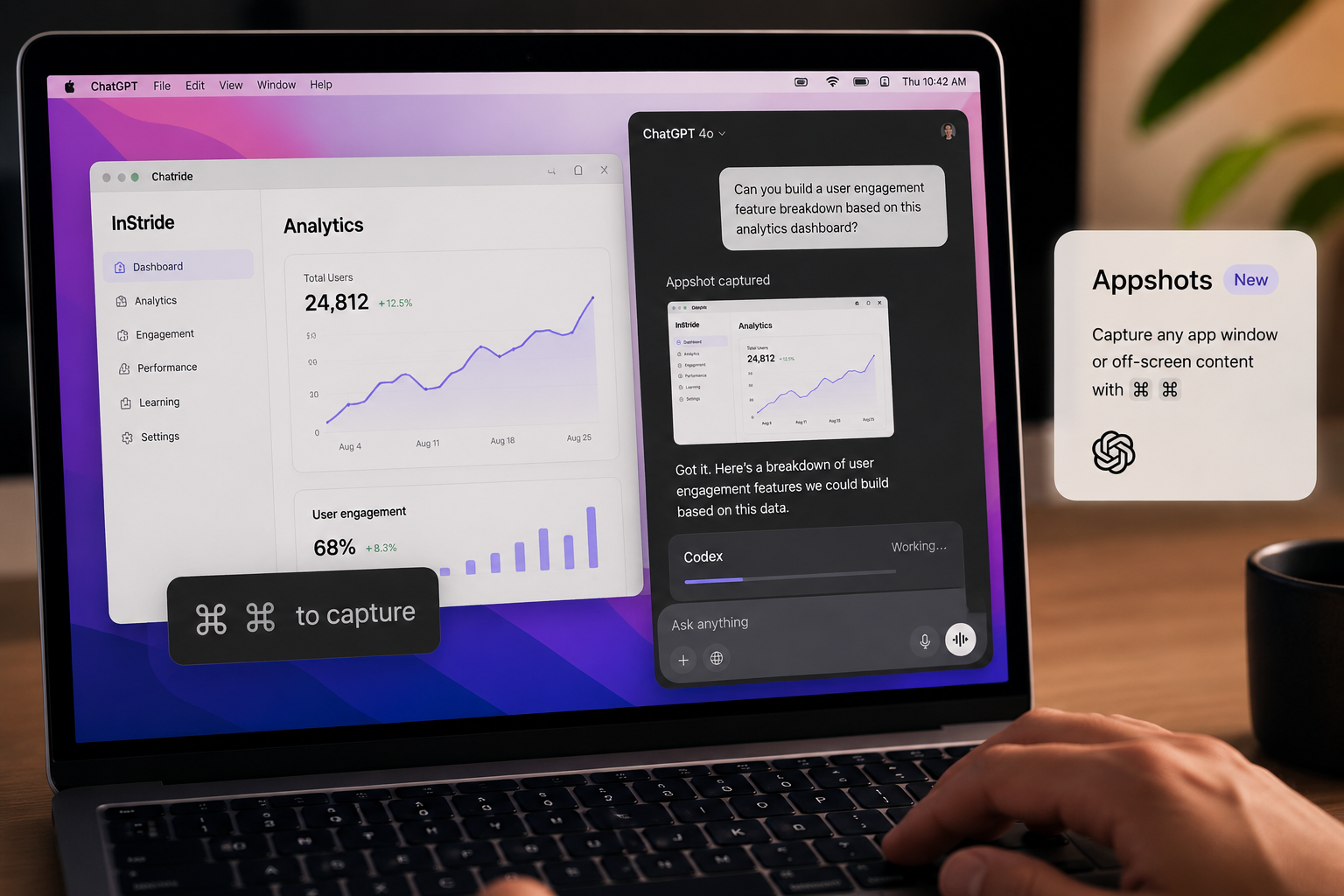
OpenAI Gives Codex Appshots, Goal Mode, and Team Plugin Sharing
OpenAI is rolling out a new batch of Codex updates led by Appshots, a Mac feature that lets developers attach app context directly to a Codex thread. The release also expands long-running goal mode, browser annotations, business analytics, and shared plugins for teams.
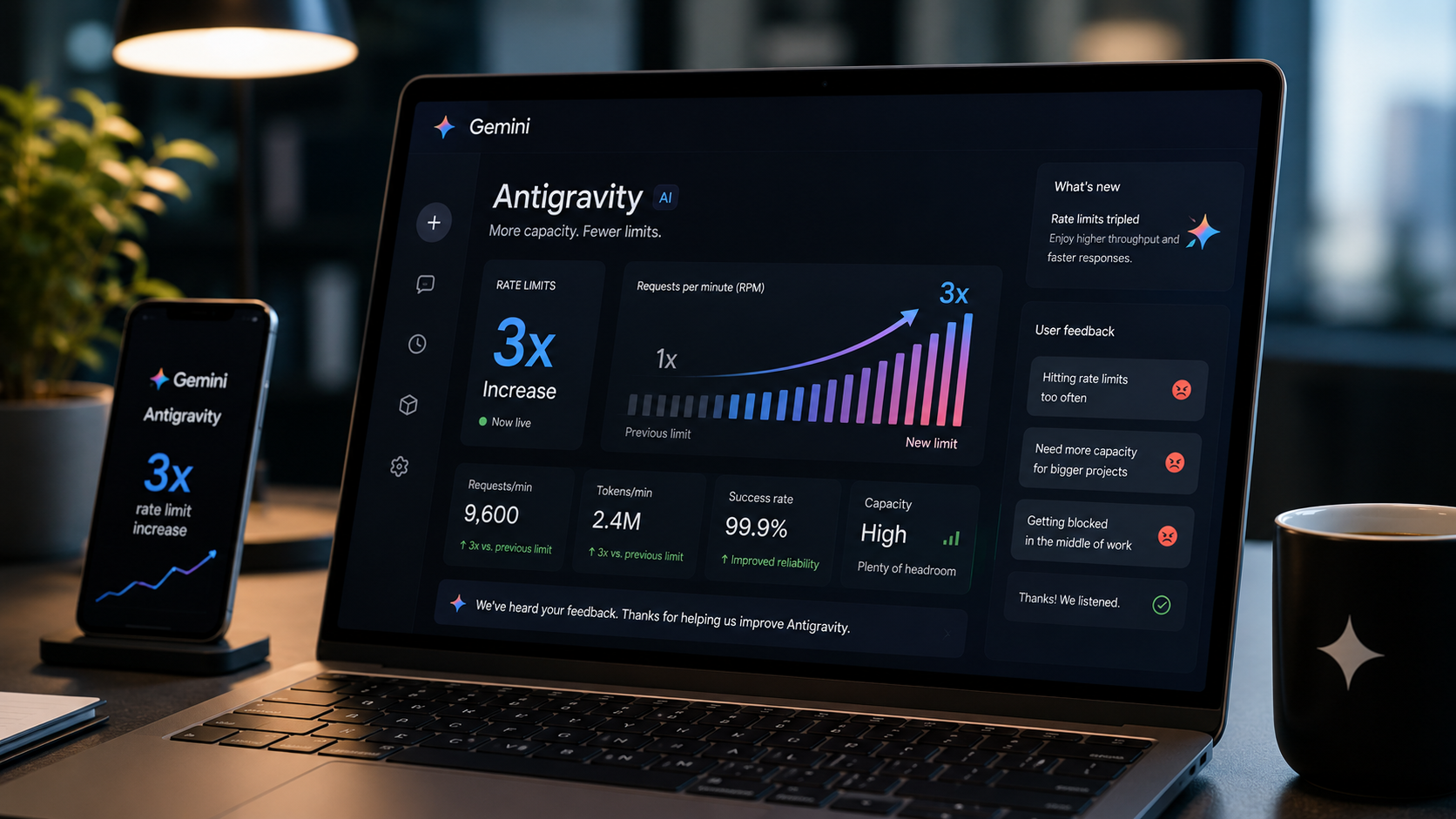
Google Triples Gemini Rate Limits in Antigravity After User Pushback
Google is tripling Gemini model rate limits across paid Antigravity tiers and resetting weekly quotas after early users hit caps faster than expected. The quick adjustment shows how agentic coding tools are being tested as much by usage economics as model performance.
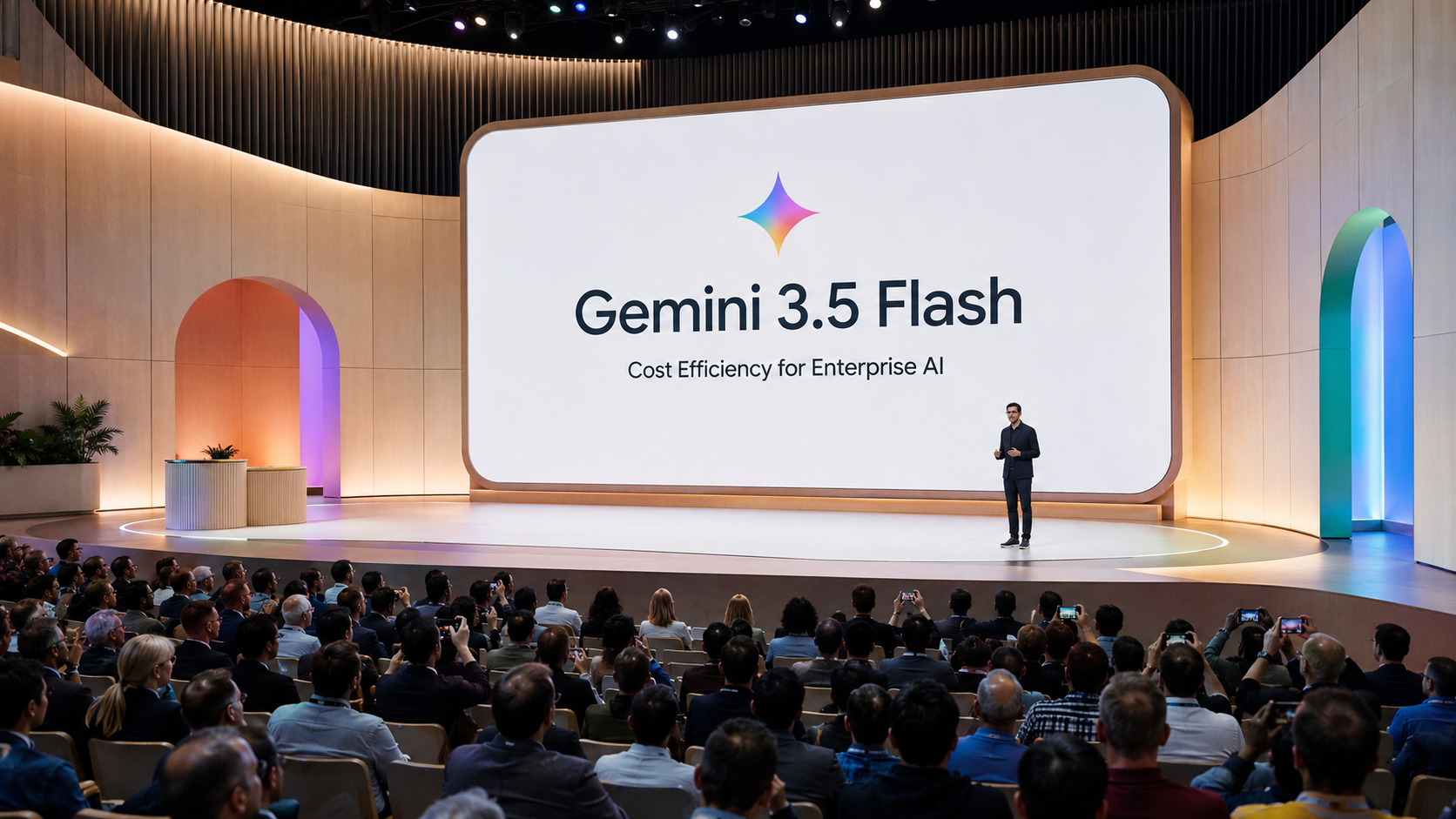
Google Targets Enterprise AI Costs With Gemini 3.5 Flash
Google introduced Gemini 3.5 Flash at I/O 2026 as a lower-cost frontier model for enterprises running AI agents. The launch also brings Gemini Omni Flash, Gemini Spark, and an updated Antigravity platform as Google pushes deeper into agentic AI.
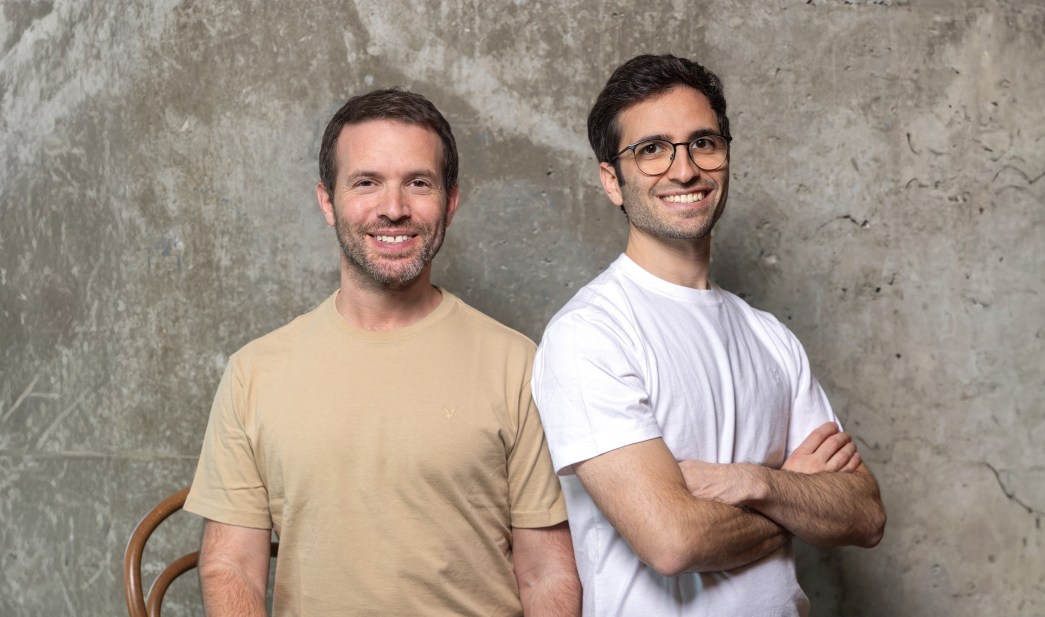
NanoClaw Rejects $20M Offer, Raises $12M Seed
NanoCo, the startup behind NanoClaw, raised a $12 million seed round after turning down an acquisition offer near $20 million. The secure, container-based OpenClaw alternative is now chasing enterprise deployments as AI agent tooling heats up.
OpenAI Brings GPT-5.5, Codex, and Managed Agents to AWS
OpenAI and AWS are expanding their partnership with OpenAI models on Amazon Bedrock, Codex support through Bedrock, and new Bedrock Managed Agents powered by OpenAI. The move gives enterprises a clearer path to use OpenAI systems inside existing AWS security, procurement, and governance workflows.
Meta Taps AWS Graviton Chips as Agentic AI Push Raises CPU Demand
Meta has signed a new agreement to deploy millions of AWS Graviton processors as it scales the infrastructure behind its agentic AI ambitions. The deal highlights how AI compute demand is expanding beyond GPUs into high-performance CPUs for orchestration, inference, and memory-heavy workloads.
Nvidia Pushes Nemotron 3 Nano Omni as a Multimodal Engine for Enterprise AI Agents
Nvidia has launched Nemotron 3 Nano Omni, an open multimodal model designed to help enterprise agents reason across text, images, audio, and video without relying on separate perception models for each input type.
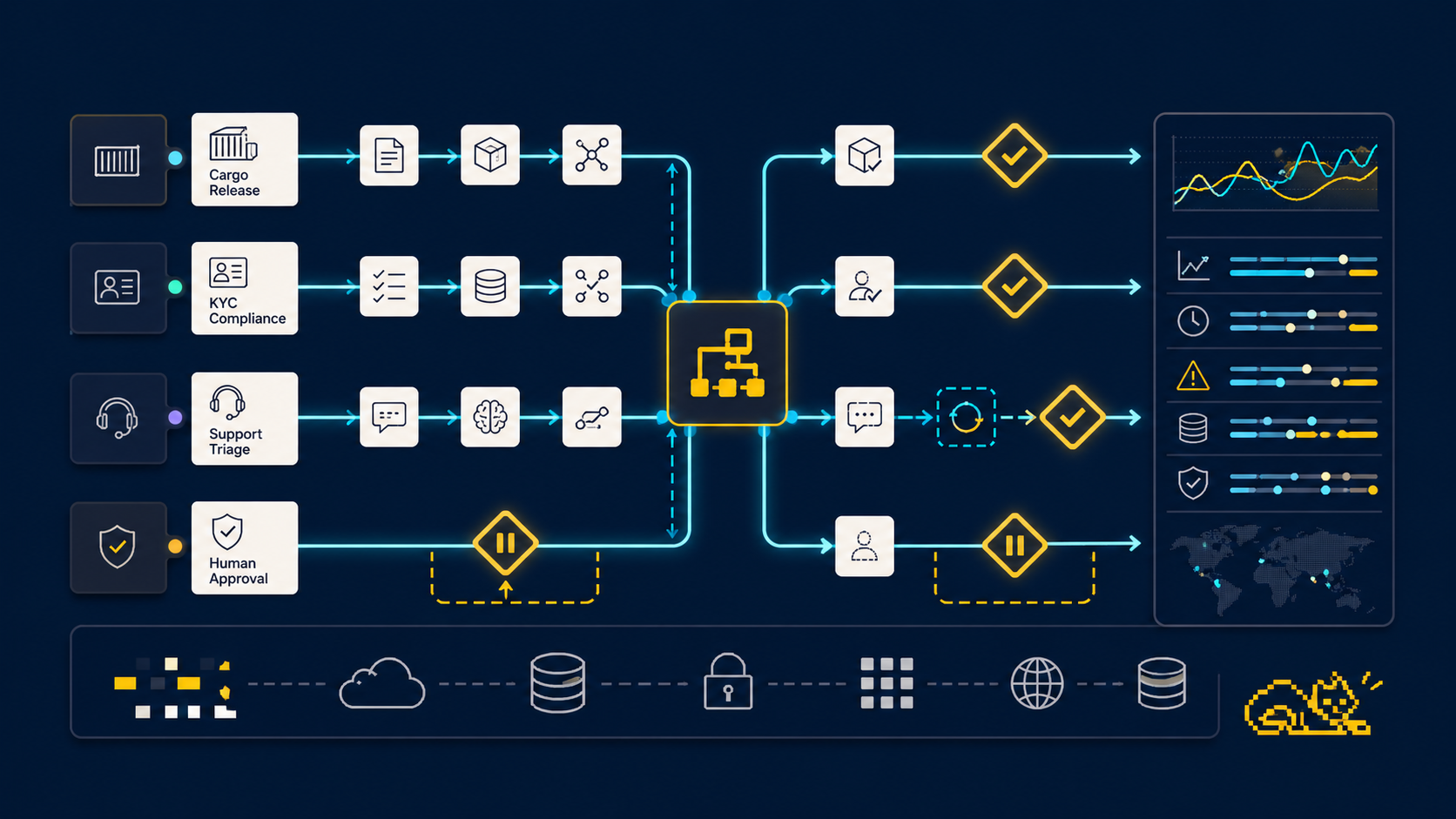
Mistral Launches Workflows to Move Enterprise AI From Demos Into Production
Mistral AI has released Workflows in public preview, pitching it as the orchestration layer enterprises need to run AI-powered business processes reliably. The system is built for durable execution, observability, human approvals, and deployment inside real operational environments.
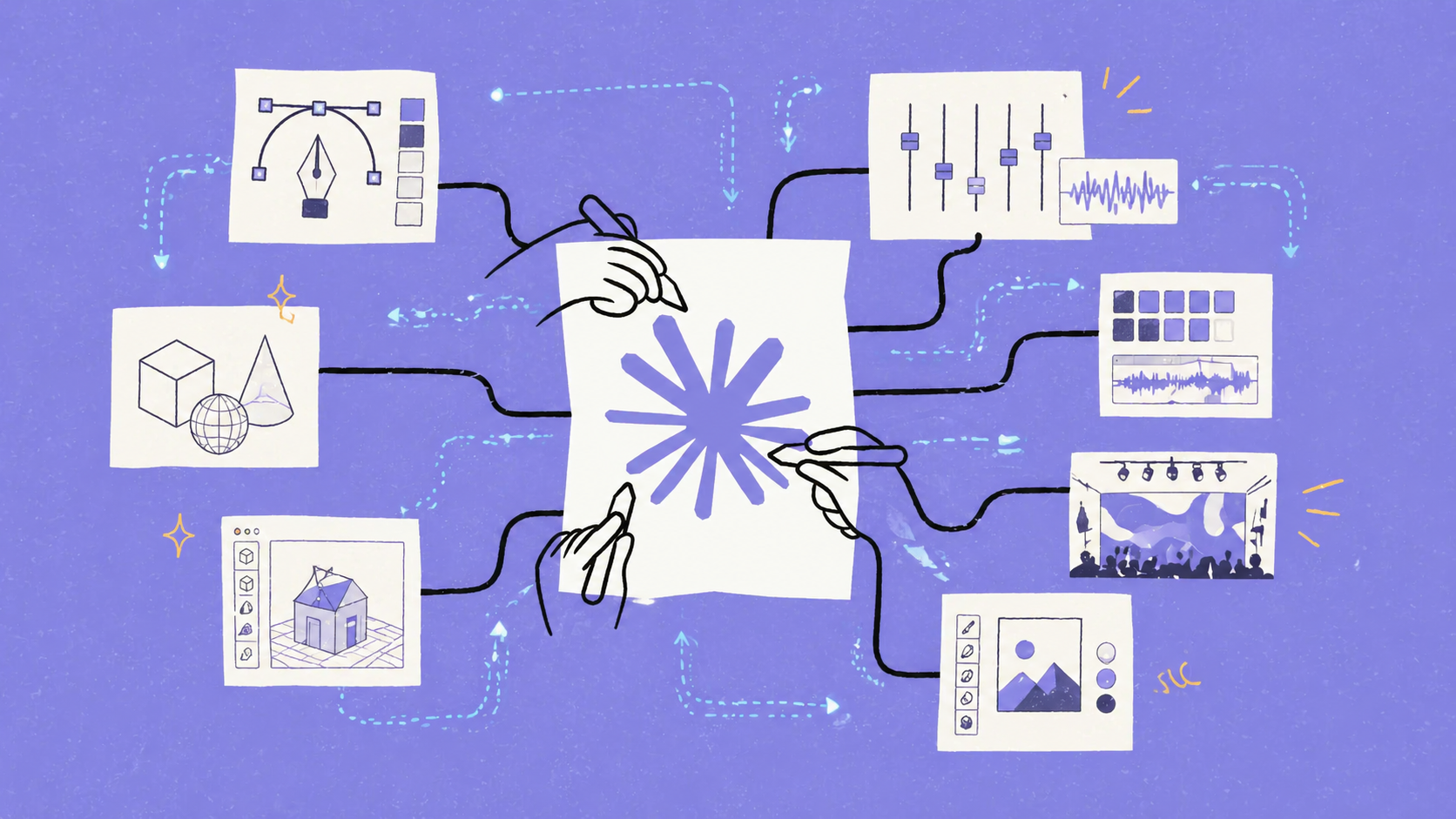
Anthropic Connects Claude to Adobe, Blender, Ableton, and Other Creative Tools
Anthropic is expanding Claude into professional creative workflows with new connectors for Adobe, Blender, Autodesk Fusion, Ableton, Splice, SketchUp, Resolume, and Affinity by Canva. The move positions Claude less as a standalone chatbot and more as an AI layer inside the tools artists, designers, engineers, and producers already use.