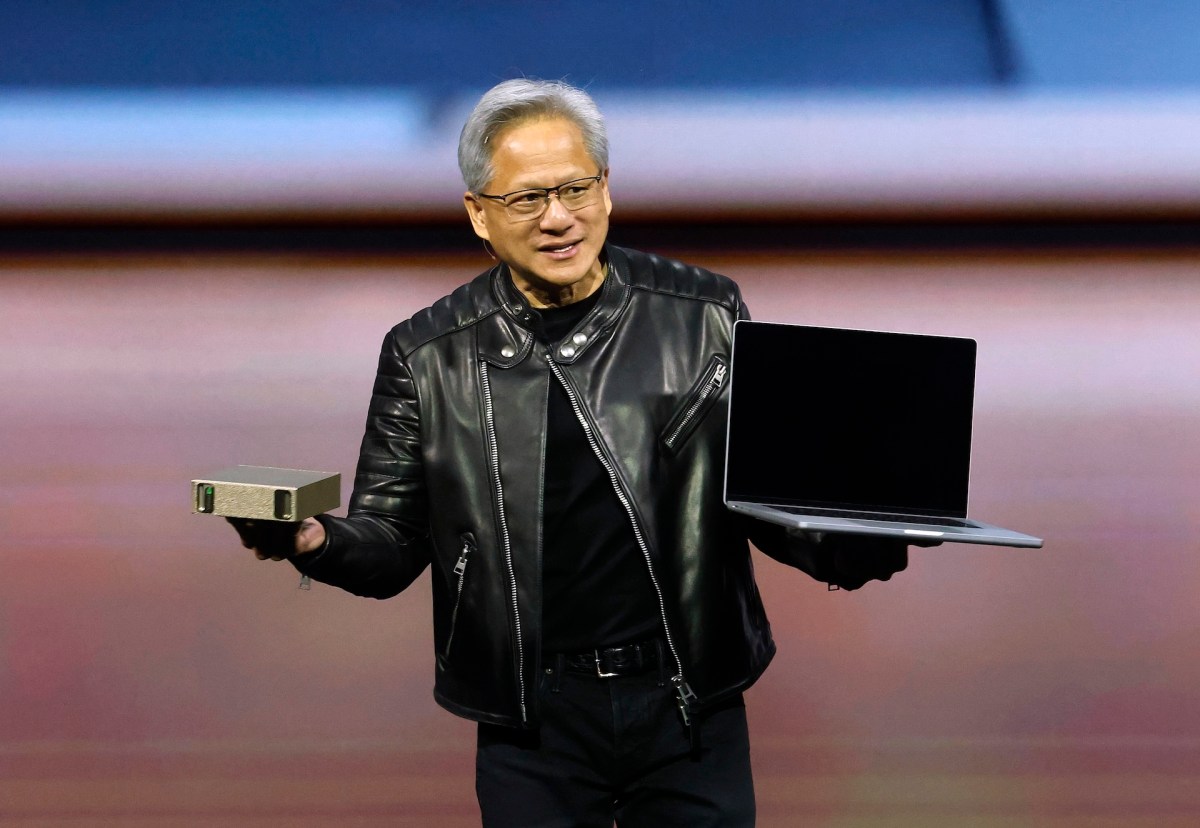



Nvidia used the opening of Computex in Taipei to make a larger claim than a normal PC chip launch. The company unveiled RTX Spark, a new processor platform for Windows machines that it says is built to run AI agents locally and securely, with systems coming from Dell, HP, Lenovo, Microsoft Surface, ASUS, MSI, and others later this year.
That matters because Nvidia is not just chasing another upgrade cycle for gamers or creators. It is trying to define the next version of the personal computer as an agent machine, one with enough local compute, memory, and software support to run models, tools, and autonomous workflows on-device instead of treating AI as something that lives only in the cloud.
Nvidia Wants The PC To Become An Agent Runtime
At the center of the announcement is Nvidia’s argument that AI agents will need their own hardware category. The company says RTX Spark combines the CPU, GPU, memory headroom, and CUDA software stack needed to support local models and secure agent execution. Nvidia also says the systems will include secure sandboxes developed with Microsoft, a notable detail given how much enterprise hesitation around agents still comes down to trust, permissions, and containment.
The product pitch goes well beyond traditional AI acceleration. Nvidia is framing these PCs as machines that can carry out multi-step work on behalf of users, not just generate text or boost image quality. In that model, the PC stops being a place where users open separate apps and starts becoming an execution layer for tools, models, and agent-driven workflows.
That is a much bigger ambition than shipping another premium laptop chip. It is a bid to make Windows PCs relevant to the next wave of local AI computing before that category hardens around other platforms.
The Partner List Shows Nvidia Is Thinking At Market Scale
The breadth of the launch may be the most important signal. Nvidia did not announce a niche developer box or a single halo device. It announced a partner lineup that spans mainstream PC makers and Microsoft itself, suggesting the company wants RTX Spark to land as a category push rather than an isolated experiment.
Microsoft is leaning into that framing especially hard. In its Surface Laptop Ultra announcement, the company described the system as its most powerful Surface laptop yet, reinforcing the idea that these machines are meant to sit above today’s typical Copilot+ PC story and closer to workstation-class AI hardware.
Nvidia is also clearly trying to connect this launch to the developer and prosumer market it already serves with DGX Spark. What changes here is the packaging. Instead of asking buyers to adopt a mini supercomputer-like box, Nvidia is trying to move similar ideas into familiar Windows laptops and desktops sold through established OEM channels.
This Is Also A CPU Story, Not Just A GPU Story
The strategic backdrop is Jensen Huang’s growing insistence that AI’s next hardware wave will expand the role of CPUs, especially when agents need to coordinate tools, manage state, and run persistent workflows. After Nvidia’s latest earnings, Huang pointed investors toward a $200 billion CPU opportunity, signaling that the company sees AI infrastructure broadening beyond its traditional GPU stronghold.
RTX Spark fits that thesis. If AI agents become a normal computing interface, then the winning device may not be the one with the best chatbot demo, but the one that can run local models, handle orchestration, keep latency low, and do so within a trusted operating environment. In that world, the PC becomes less of an accessory to cloud AI and more of a first-class node in the agent stack.
That could appeal to both enterprises and advanced individual users. Businesses want more control over where sensitive workflows run. Power users want faster local inference, better offline capability, and fewer round trips to external services. Nvidia is trying to serve both camps with one message: agentic computing needs stronger local hardware.
Nvidia Still Has To Prove This Becomes A Real Product Category
The promise is ambitious, but the market history is not clean. Nvidia-powered ARM Windows devices have struggled before, and Microsoft’s Surface RT remains one of the industry’s more famous hardware misfires. Dell’s own retreat from that earlier era is part of the cautionary backdrop, as Business Insider noted when Dell stopped selling Windows RT devices.
This time, however, Nvidia is not asking the market to accept a weaker compromise machine. It is pitching a far more powerful class of system, one built around AI workloads that barely existed in mainstream computing during the Windows RT era. That does not guarantee success, but it does make the comparison less dismissive than it first sounds.
The larger open question is price. Manufacturers have not yet shared much detail on final configurations or what these devices will cost relative to alternatives like compact desktops or premium laptops already used for local model work. If RTX Spark systems arrive as expensive showcase hardware, the category may stay narrow. If Nvidia and its partners can make AI agent PCs feel both useful and attainable, the company may have found a way to bring its agent vision into the everyday Windows market instead of leaving it inside developer demos.
Comments
No comments yet. Be the first to share your thoughts.
Sign in or create an account to leave a comment.