There is a meaningful difference between a bot that visibly joins your video call and an app that quietly transcribes from the background of someone’s computer. That distinction — subtle to describe, significant in practice — is what built Granola’s user base. And that user base has now helped the company raise $125 million in Series C funding led by Danny Rimer at Index Ventures, with Mamoon Hamid at Kleiner Perkins also participating. Existing investors Lightspeed, Spark, and NFDG joined the round as well. The raise values Granola at $1.5 billion — a six-fold jump from its $250 million valuation at its previous round less than a year ago — and brings its total funding to $192 million.
From Prosumer Tool to Enterprise Stack
Granola started life as a clean, opinionated app: sit on the user’s machine, transcribe meetings, generate notes. That core experience still holds, but the product has been steadily adding the infrastructure layer that enterprise buyers require. Collaborative note-taking arrived last year. The company has since built inroads at organizations including Vanta, Gusto, Thumbtack, Asana, Cursor, Lovable, Decagon, and Mistral AI.
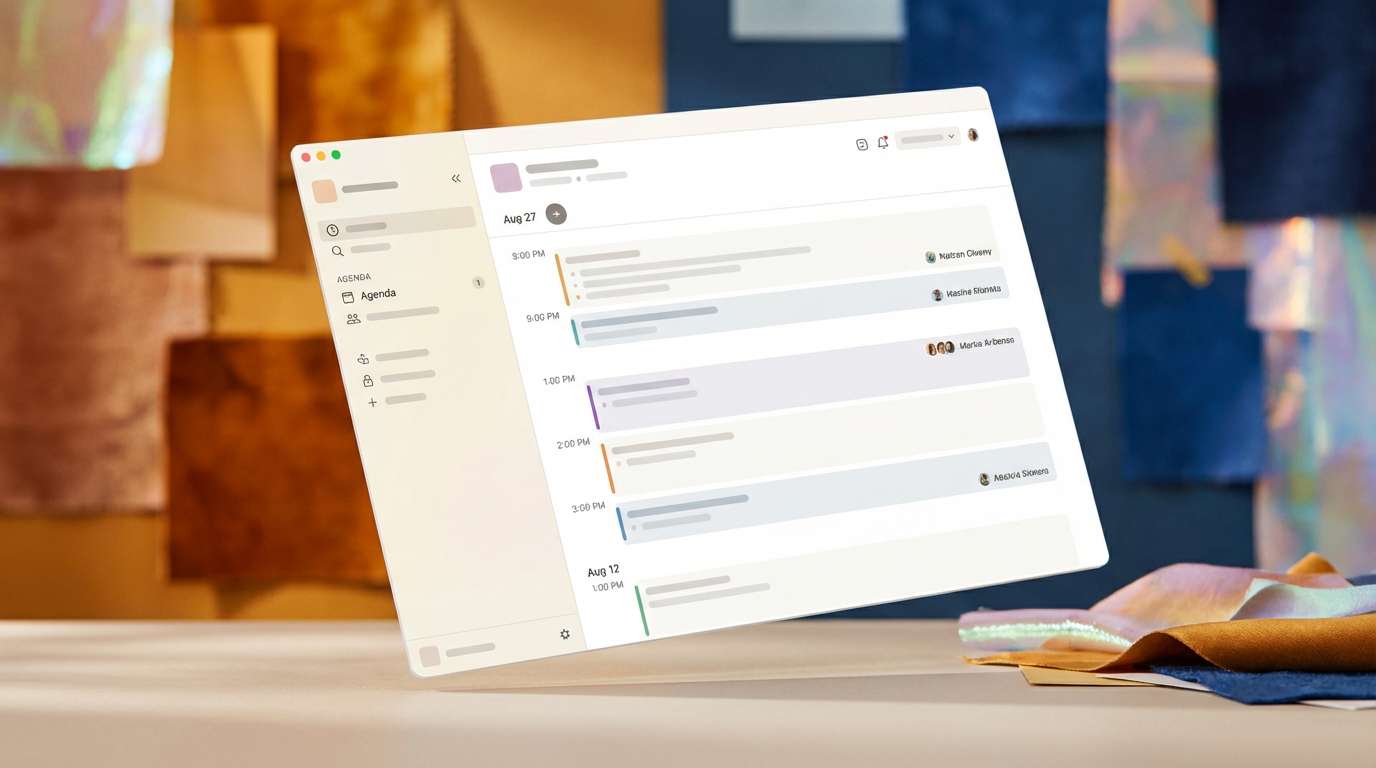
Alongside the funding announcement, Granola is launching Spaces — team-level workspaces with granular access controls, folder organization, and the ability to query notes by Space or folder independently. It is a direct move toward making Granola feel like a knowledge infrastructure layer for a company, not just a personal productivity tool.
APIs, MCP, and the Developer Bet
AI meeting transcription has become increasingly commoditized, with players like Read AI, Fireflies, and Quill all competing in the same space. Granola’s answer is to become the connective tissue between meeting context and the broader AI workflow ecosystem.
After launching a Model Context Protocol (MCP) server in February, the company is now introducing two dedicated APIs. The personal API gives individual users programmatic access to their own notes and anything shared with them — available on Business and Enterprise plans. The enterprise API gives admins access to aggregated team context, and is available exclusively to enterprise customers.
The API launch carries some backstory. Earlier this year, a database migration broke on-device AI agent workflows that power users — including an a16z partner — had built on top of Granola’s local data cache. Co-founder Chris Pedregal acknowledged the disruption, clarified that locking down user data was never the intent, and committed publicly to shipping bulk data access APIs. That promise has now shipped. Pedregal also indicated the company would find a path to supporting local AI agent workflows going forward.
Granola’s updated MCP server now surfaces notes inside folders and shared notes, and the app currently connects with Claude, ChatGPT, Lovable, Figma Make, Replit, Manus, v0, Bolt.new, Duckbill, and Dreamer — with more integrations in progress.
The Real Battleground: Action, Not Transcription
The longer-term value in this category is not in capturing what was said — it is in what happens after. The startups positioned to win are those that can turn meeting context into automated follow-ups, scheduling actions, CRM updates, and deal intelligence. Granola’s API and MCP strategy is a direct play for that layer: making its notes corpus queryable and actionable by any AI system a team is already running, rather than asking companies to centralize on Granola alone.
Comments
No comments yet. Be the first to share your thoughts.
Sign in or create an account to leave a comment.